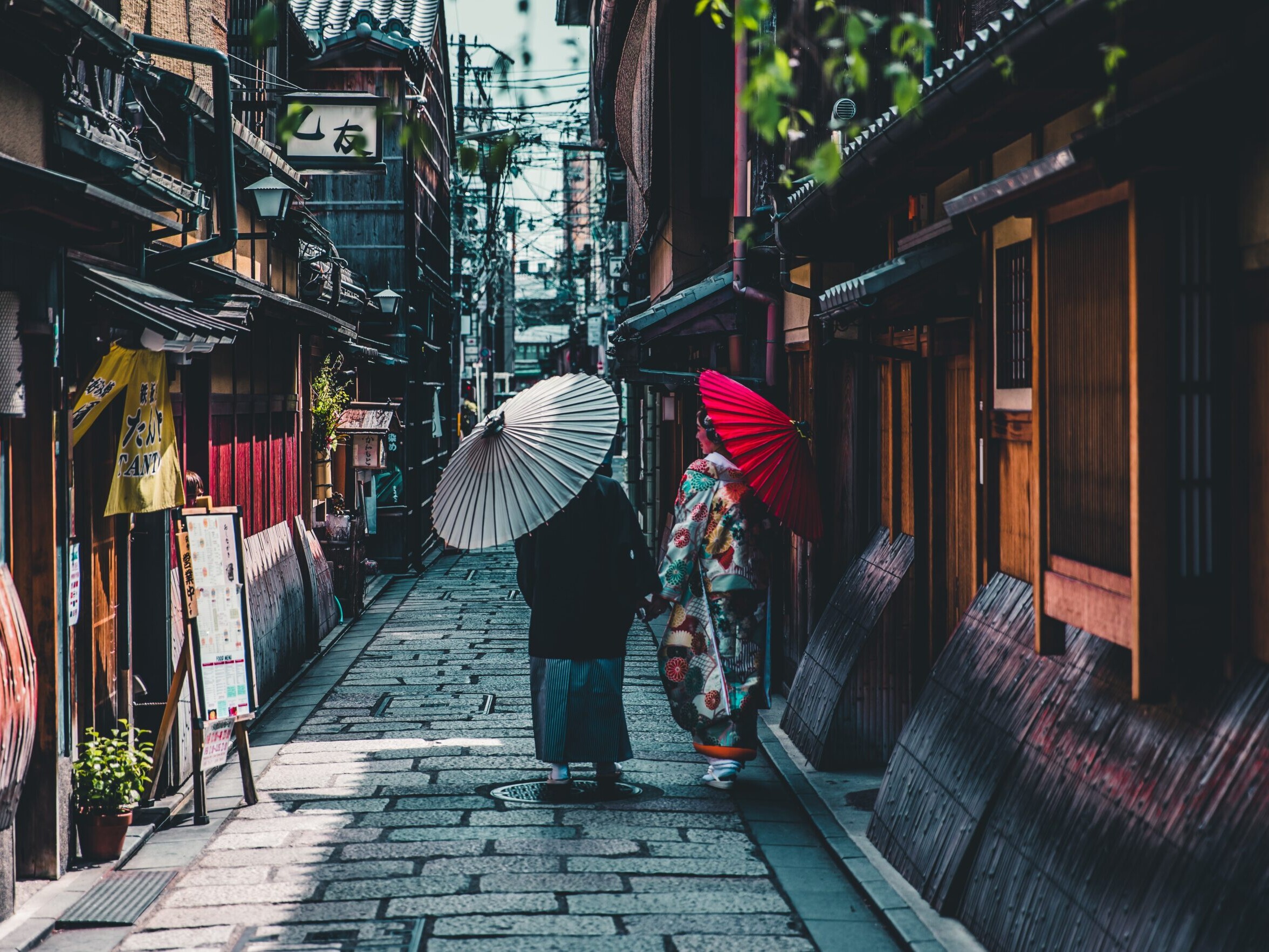
Preserving Japan Heritage
Nowadays, Kominkas are disappearing from the countryside.
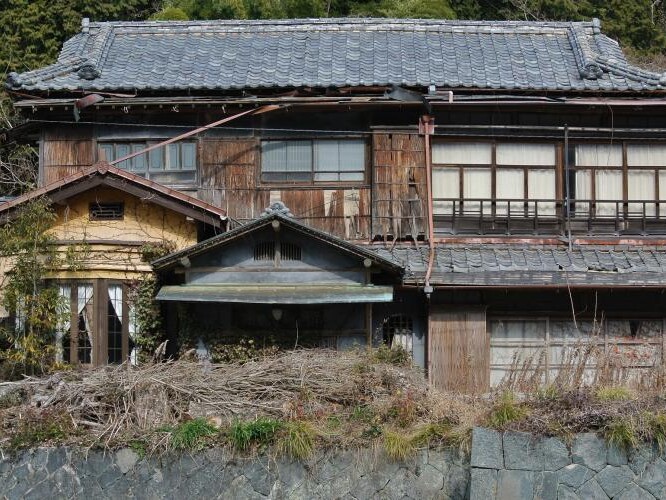
Accelerated by Japan’s ageing population and the collapse of rural communities, more than half a million kominkas have been destroyed between 2008 and 2018.
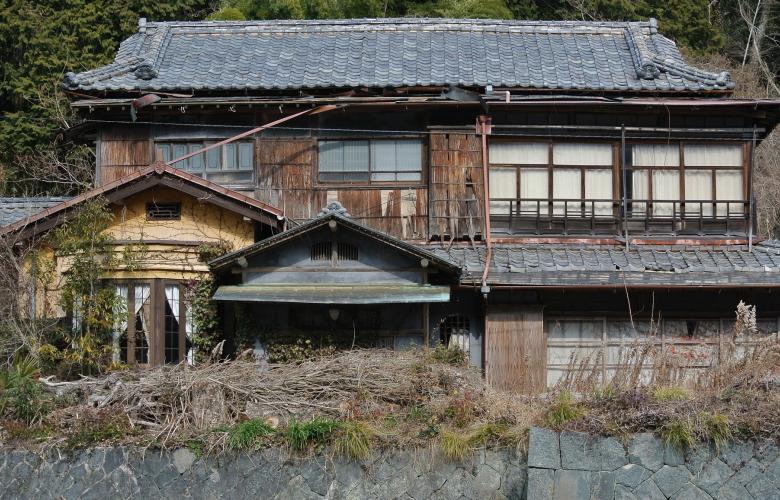
To many, especially the younger generation of Japan, rural kominkas are seen as the embodiment of the dark, cold and impoverished. And before now, people have not realised that these homes can be restored and turned into comfortable countryside residences – with modern features that appeal to everyone.
The history of kominka houses…
The earliest kominka homes were built over 300 years ago and can be dated back to the Edo period (1603 – 1868). Often located in rural Japan, these homes were built to endure each of Japan’s seasons. The architectural features and multifunctional interiors of these traditional homes meant that there could also be a space to store goods or conduct business.
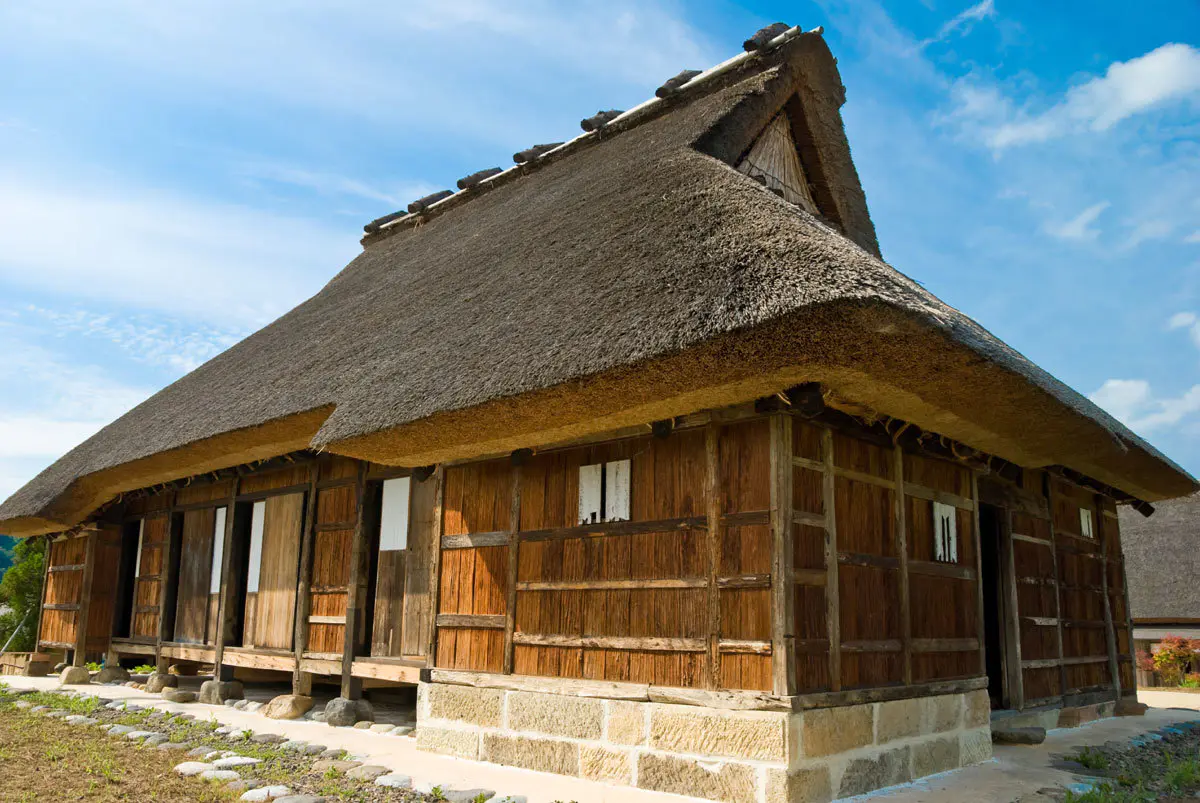
Every corner of Japan has its very own beautiful kominka culture.
Hence, we often question, why should such structures that have so much history and years of life ahead of them be cast aside?
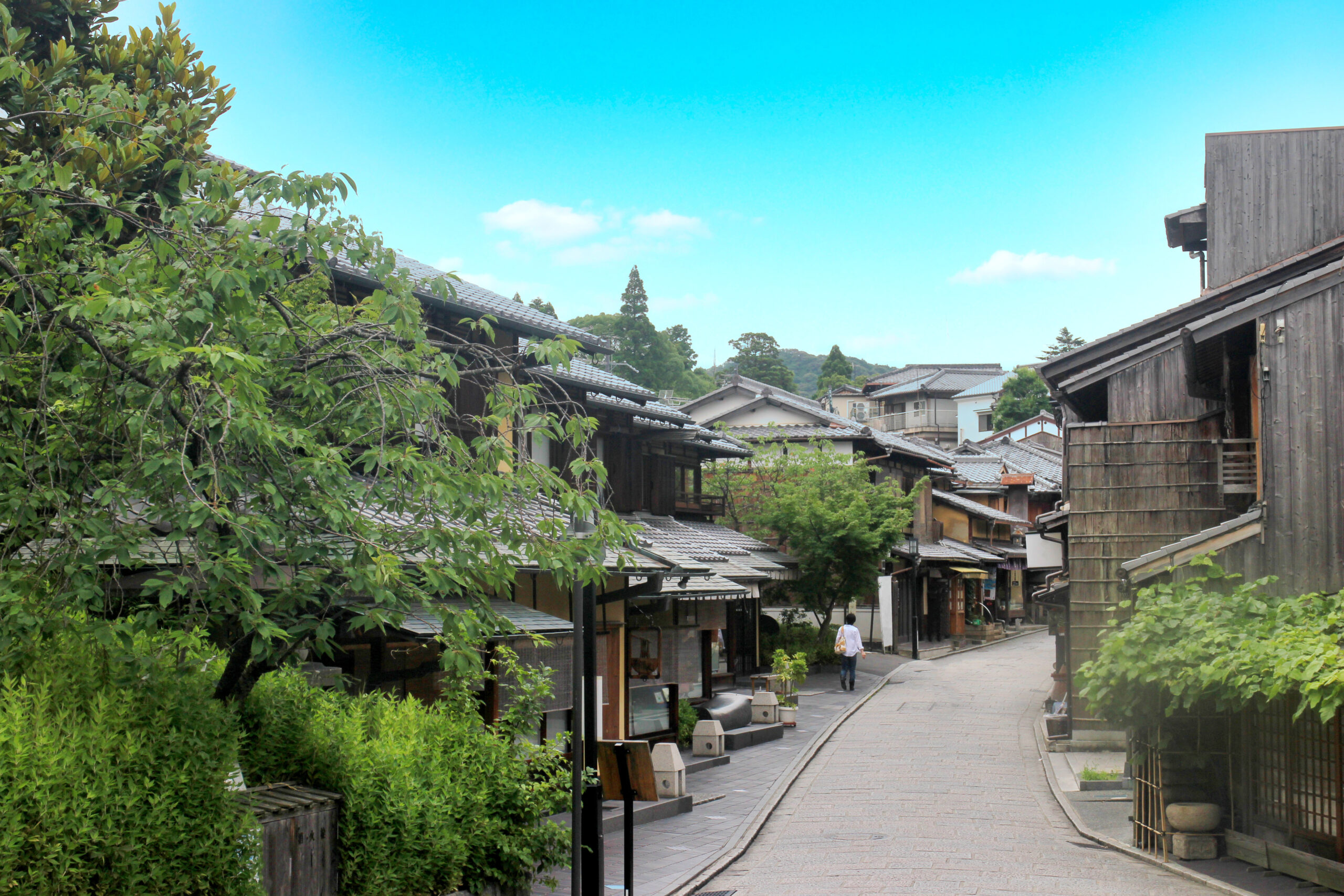
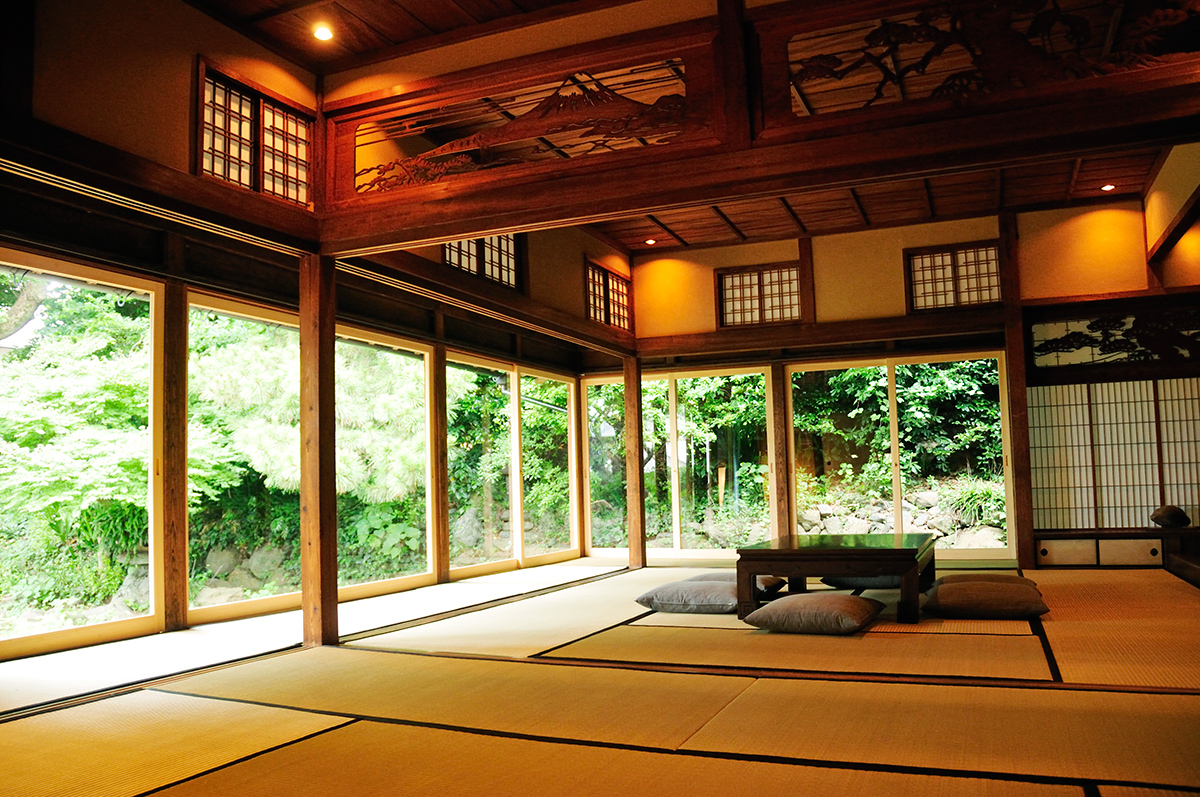
Interestingly enough, there is a rising demand for the restoration of Japan’s cultural heritage. And we believe that reimagining these kominkas as new lodgings and cafes will help protect these residences and preserve a crucial part of the region’s history and culture.
Providing a sustainable way to preserve the house to ensure it will continue to be a valuable place where people can gather to learn about, protect and revitalise an essential part of Japanese history.