What is a Kominka?
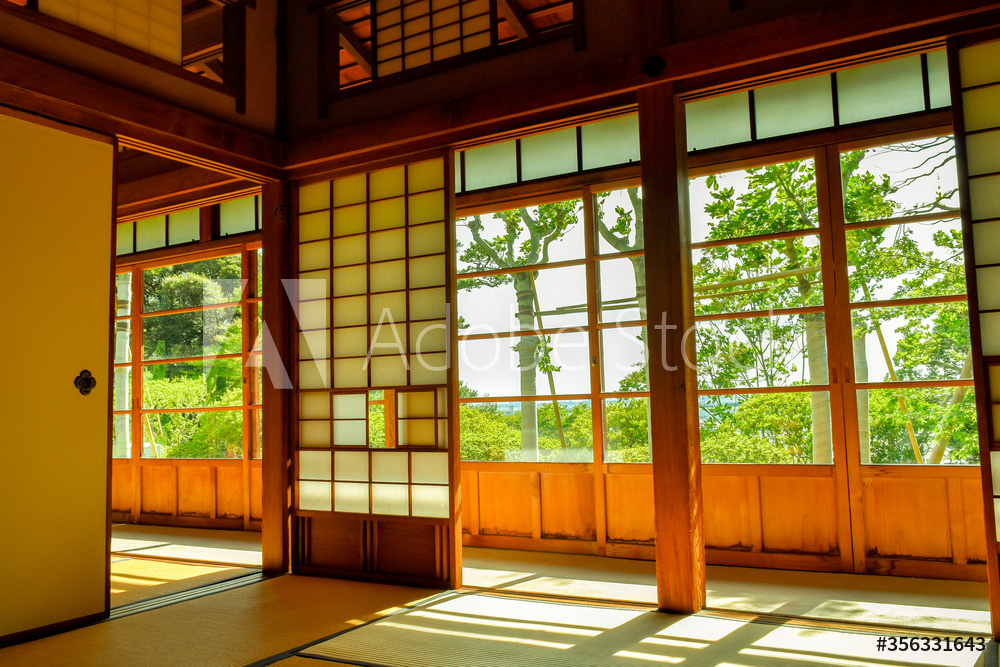
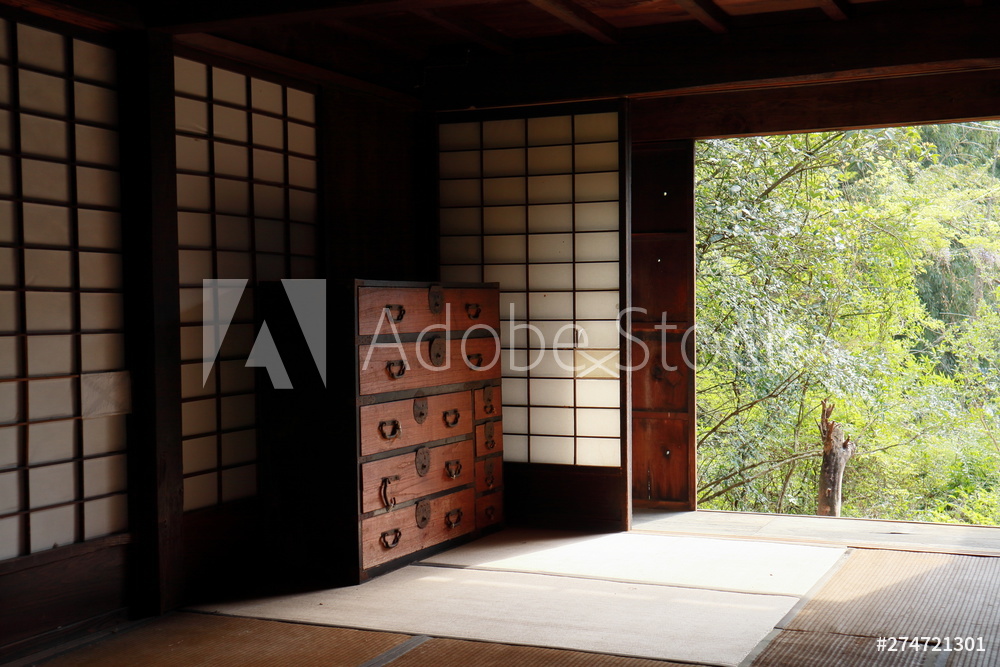
Kominka (古民家) is the term for an old traditional Japanese home usually found in the countryside or in rural areas of Japan.
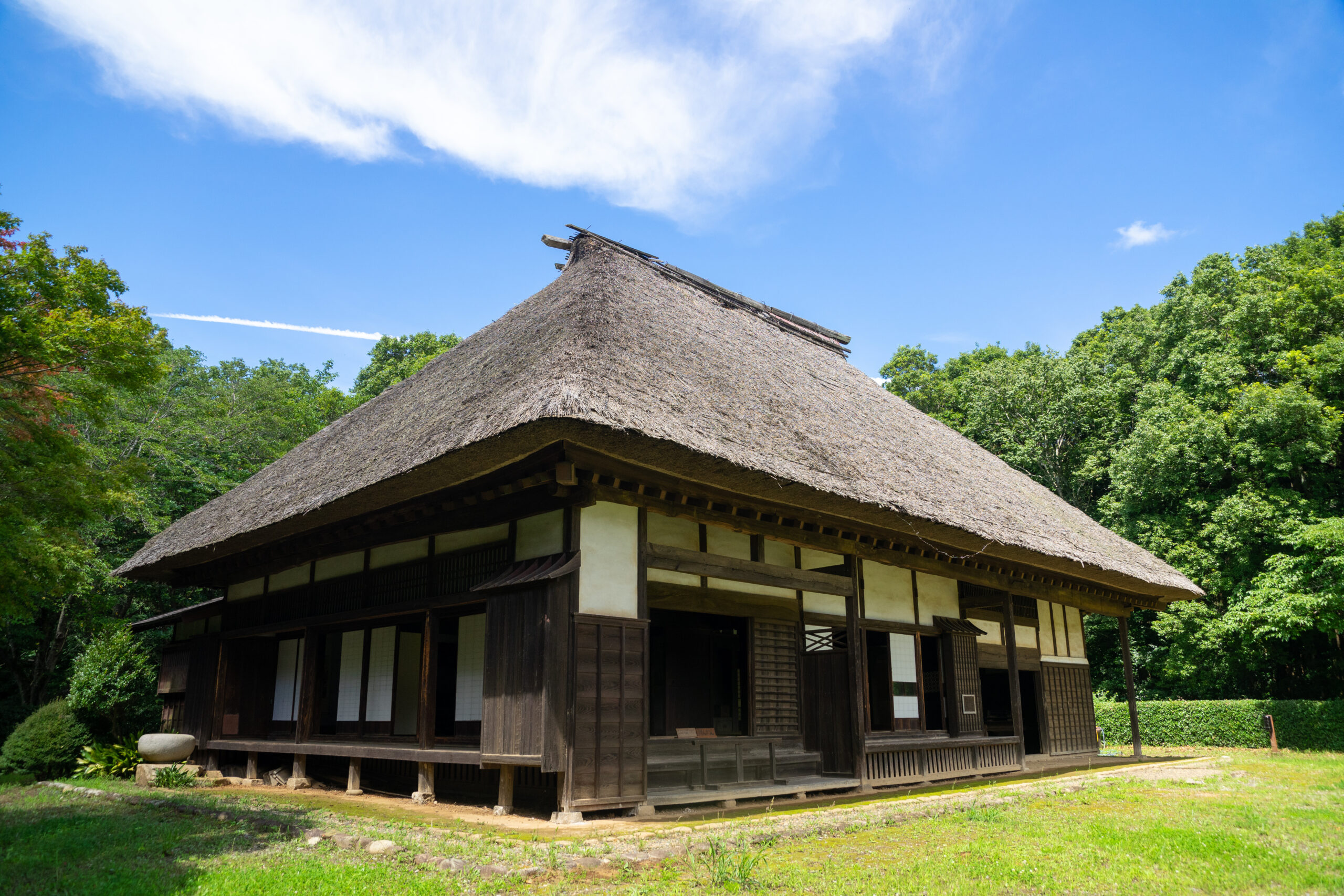
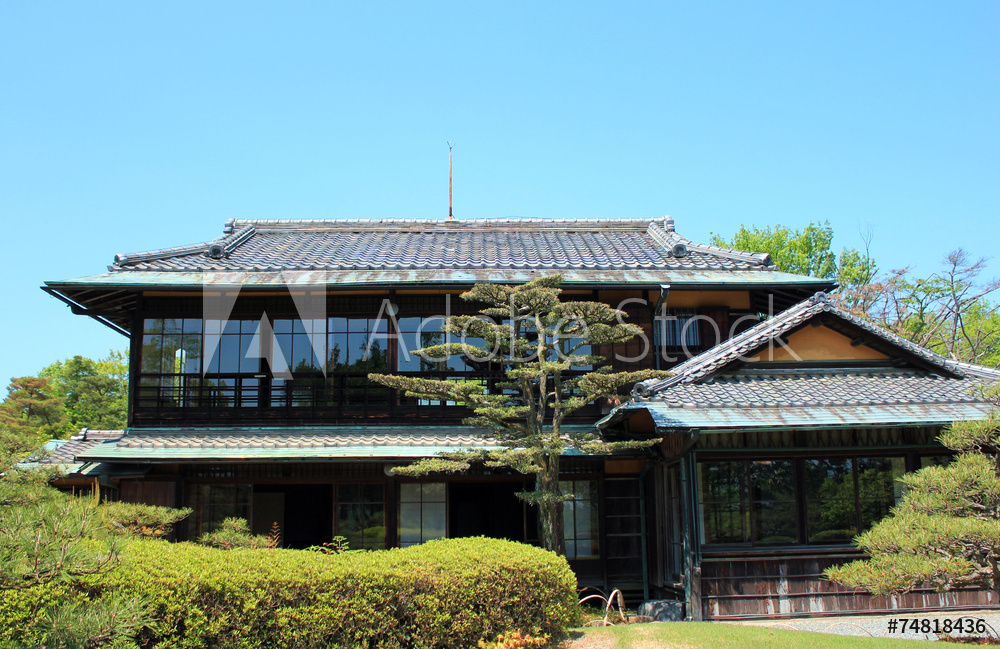
The unique architectural style of each kominka provides a charmingly rustic atmosphere dating back to the Edo period. Today, these traditional Japanese houses are seen as a part of Japan’s cultural heritage as well as the embodiment of traditional Japanese architecture and rural areas.
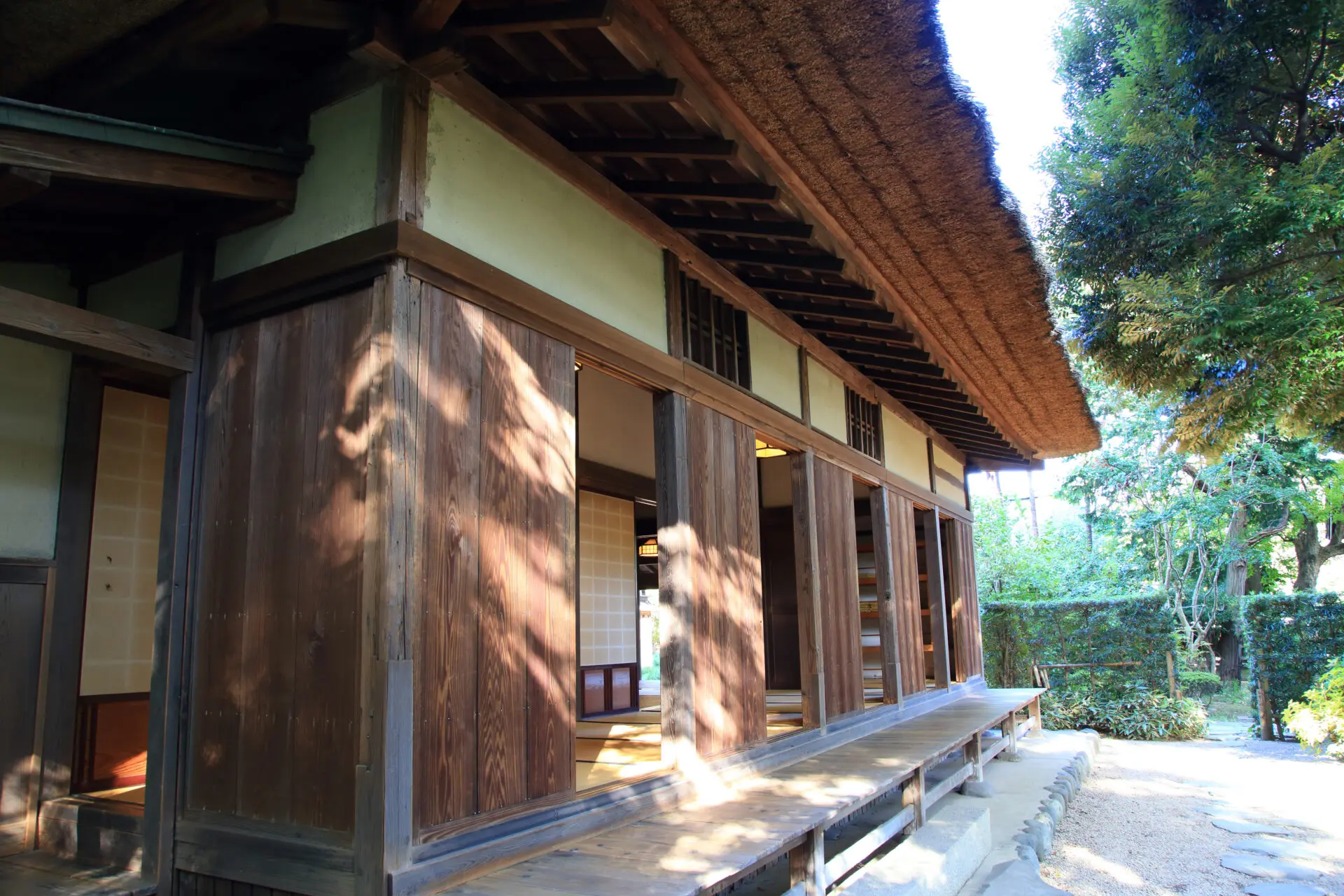
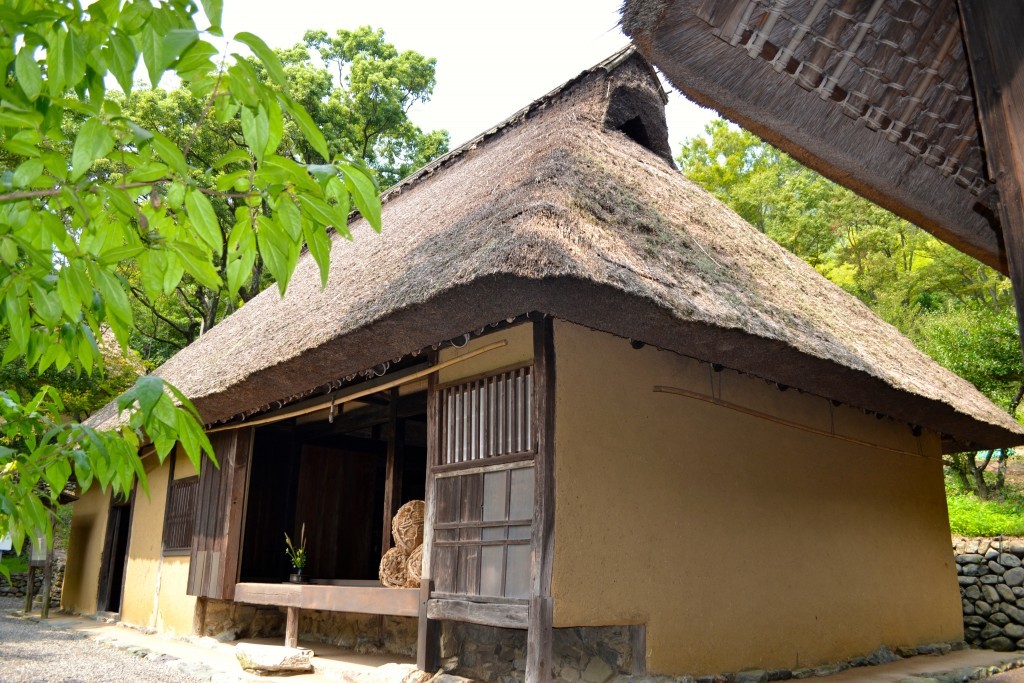
In recent years, there has been a growing appreciation of Kominka in Japan, as well as an increased effort in revitalising and preserving these homes.
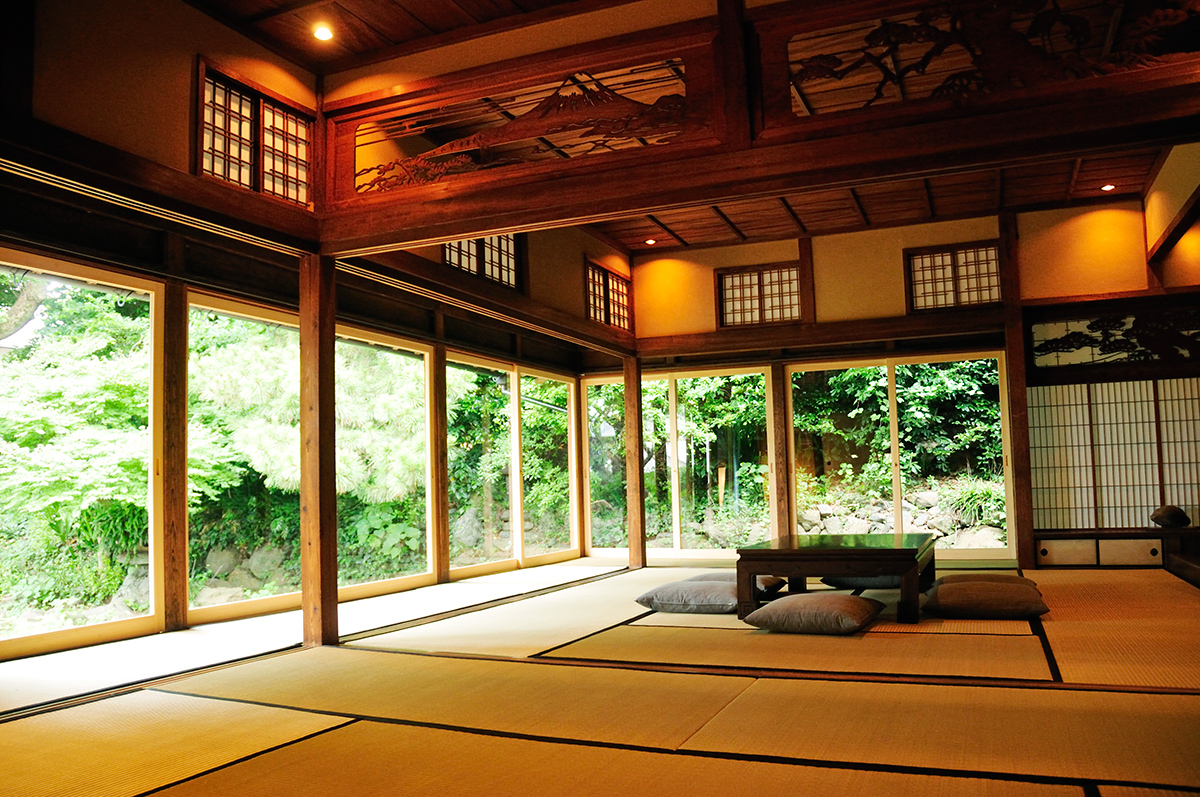
Now, you may be thinking, why should we revitalise these homes instead of rebuild them?
Put simply, revitalising these Kominkas gives us the opportunity to review and reconsider the sense of value that arises from Japan’s current “scrap and build” culture.
Despite their age, these homes have been thoughtfully constructed using a high degree of carpentry skills. More often than not, we forget about the architectural and cultural heritage of these old buildings – their unique characteristics and the stories they tell. Their practical design techniques and high quality materials allow them to survive numerous natural disasters and earthquakes. Today, these traditional Japanese houses are seen as a part of Japan’s cultural heritage as well as wonderful examples of traditional Japanese architecture.
Constructed using a number of ingenious yet practical design techniques, kominka were often both a place of work as well as a home, and usually built to a grand scale to accomodate a number of uses.
Typical features of a Kominka
While the architecture of Kominkas varies depending on the region, there are some common characteristics that all houses share.
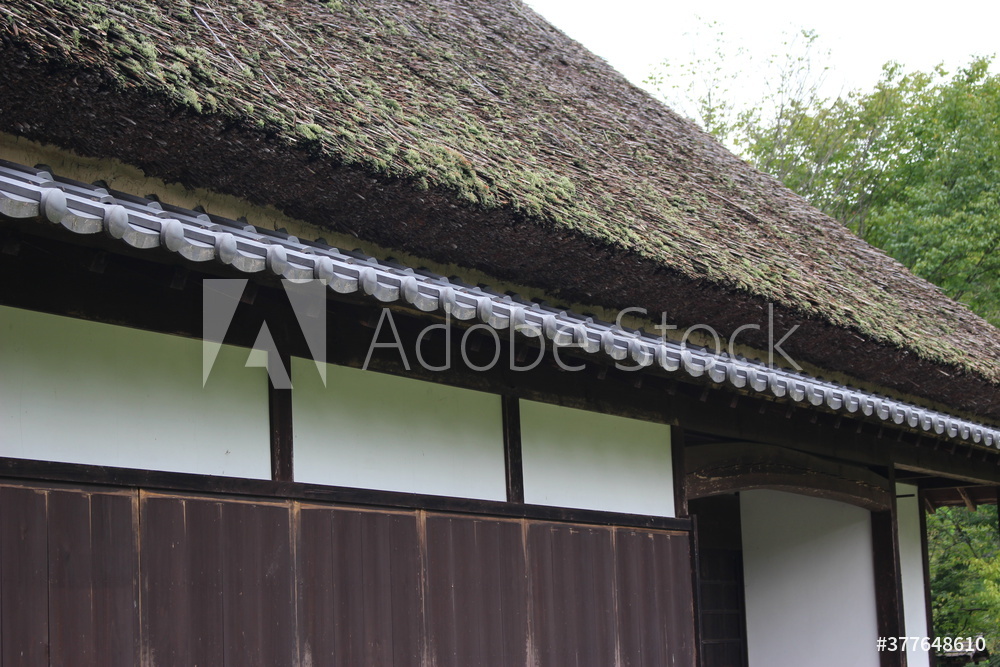
The structure often possesses a thatched roof and huge wooden columns used as supporting pillars – usually made from the trunk of an enormous oak or cypress tree to ensure the structural integrity of the building.
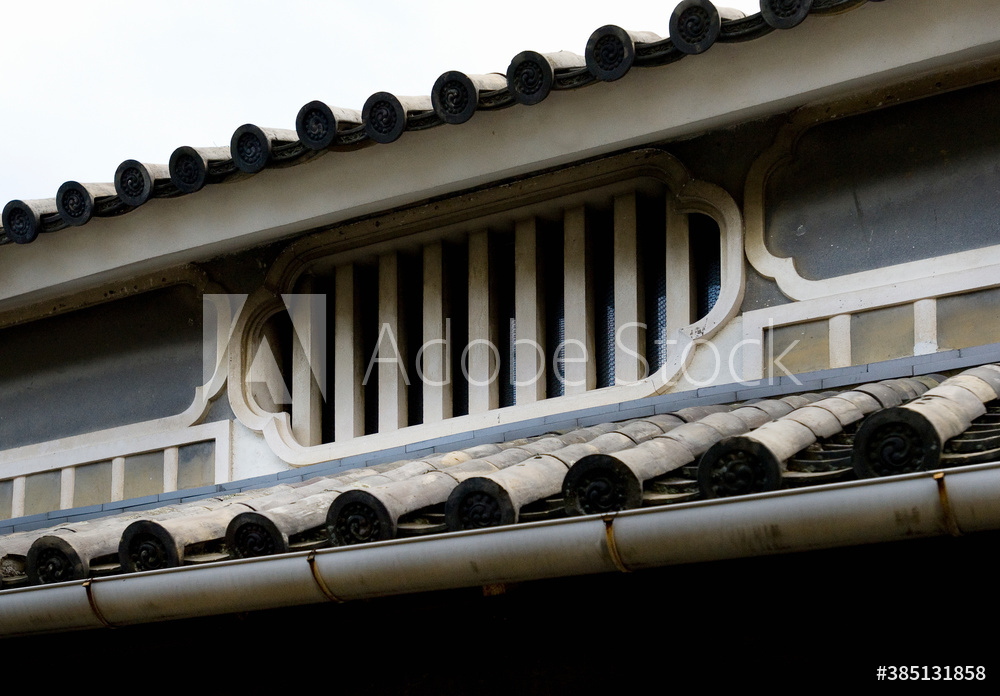
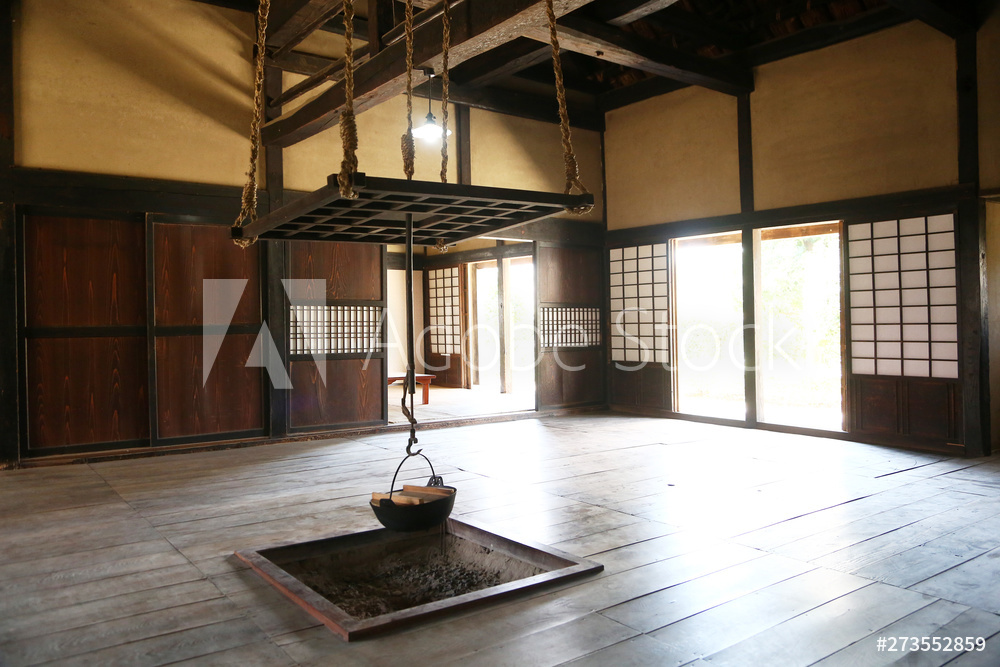
The interior of Kominka’s were designed to be highly multifunctional in order to play several different roles. Originally occupied by large families, Kominka were built to be incredibly multifunctional and pragmatic. Two of the main features found in nearly all kominka homes is the doma (土間) and the irori (囲炉裏). The doma is a multipurpose area with a hard floor that acts as the connection between the inside and the outside of the house. Keeping the house warm and regularly being used as a stove, the irori provides a feeling of peace inside this rustic home.
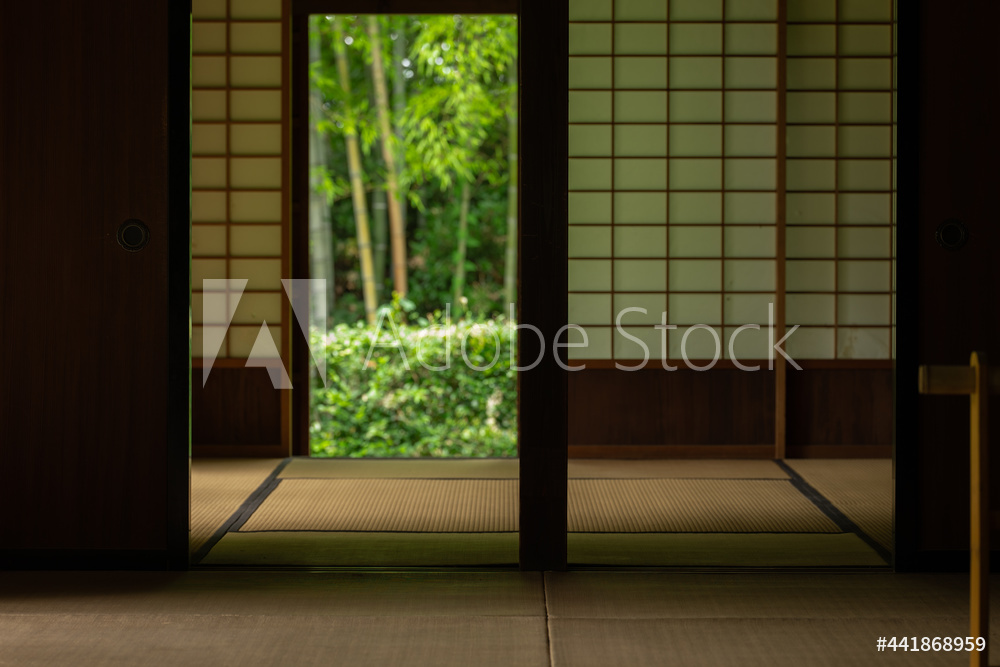
Taking advantage of the architectural antiquity and the off-the-beaten track locations, investing in Kominka is a great way to restore Japan’s countryside and provides you with the opportunity to truly understand the cultural importance of Kominka.
Resurgence of Kominka homes
Due to their charm and beauty, traditional Japanese houses are enjoying a resurgence of interest. Updated for the 21st century, these traditional homes are being renovated as hotels, guest-houses and cafes, allowing everyone to experience the unique charm of a kominka.
So what are you waiting for?
Don’t miss the opportunity to stay in a traditional Japanese home