
Sado’s Core Values: History, Preservation, Culture
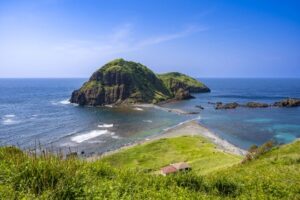
When people think of Sado Island, many often picture dramatic coastlines, fresh seafood, or award-winning sake. While those experiences are most definitely a part of its charm, Sado’s real identity is best experienced through visiting three remarkable destinations that each represent a different aspect of the island’s essence. From the rich legacy of one of Japan’s most abundant gold mines to the conservation of one of the world’s rarest birds to the preserved town of a historic fishing village, these attractions show why Sado is unlike anywhere else in Japan.
Whether you’re visiting for a day or planning a longer journey, these three destinations offer a complete picture of the island’s rich history, natural beauty, and enduring traditions.
1. Kinkou Gold Mine – The Legacy that Shaped an Island
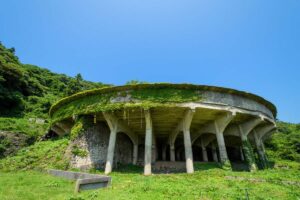
Existing for almost four centuries, the Kinkou Gold Mine served as the economic heart of Sado Island. First established in 1601 during the Edo Period, the Gold Mine quickly became one of the world’s most productive gold and silver mines, supplying enormous wealth to the Tokugawa Shogunate and supporting the financing of Japan’s development for many generations.

Today, visitors can explore the preserved mining tunnels, learn about the lives of miners through numerous realistic exhibits filled with statues, and experience the impressive hand-carved excavation sites that remain carved into the mountainside. Walking through the mine offers a rare glimpse into Sado’s industrial history-the story of how Sado evolved into a center of commerce, engineering, and innovation.
Recognized as part of the UNESCO World Heritage Site, the mine stands as a symbol of Sado’s historical significance and the generation of Sado natives that shaped the island’s identity.
What it represents: History- a reminder of the island’s economic, industrial, and historical importance to Japan.
2. Toki Forest Park – Preserving Hope for Future Generations
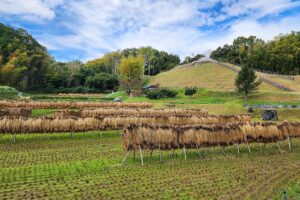
While a look into Sado’s past reveals a history defined by gold, its future is represented by the vibrant red-faced crested Ibis known as the Toki.

Once widespread throughout Japan, the Japanese crested ibis vanished from the wild due to habitat loss and environmental shifts. Sado Island became the hot spot of one of Japan’s most ambitious wildlife conservation projects, collaborating with international contributors to successfully breed and reintroduce the once endangered species back into its natural habitat.
At Toki Forest Park, visitors can observe these elegant birds up close while learning about their decades-long history, which transformed Sado into a global example of successful eco-restoration. Interactive exhibits teach the audience about the mutually beneficial connection of biodiversity, sustainable farming, and wildlife protection, demonstrating how local communities have worked together to restore the island’s ecosystem.
What it represents: Preservation- A symbol of Sado’s stewardship towards protecting nature and preserving beauty for future generations.
3. Shukunegi – A Living Window into Traditional Japan
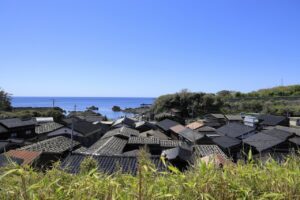
Situated alongside Sado’s southern coast lies the town of Shukunegi, one of Japan’s best-preserved historic port villages. During the Edo Period, the village prospered as a hub for shipbuilders and sailors traveling the Kitamaebune shipping route, which connected both northern and western Japan.
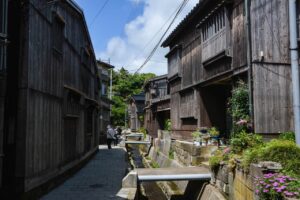
As of today, the narrow stone lanes that weave between the tightly packed wooden homes were built by skilled ship carpenters who maximized every available inch of land. A lot of these centuries-old buildings remain standing to this day, allowing visitors to experience a community that has preserved its own architectural character and maritime histories.
Unlike museums that simply display history, Shukunegi becomes a walking living museums where residents still resides there, preserving their local long-standing heritage. Walking through the maze-like streets offers a unique glimpse into the past, experiencing the energy of old Japan while appreciating the classic craftsmanship that has endured through generations.
What it represents: Culture- a celebration of Sado’s maritime heritage, traditional architecture, and enduring community essence.
Experience the Complete Story of Sado Island
Each of the destinations reveals a new facet of Sado Island.
- Kinkou Gold Mine tells the story of the Island’s remarkable history and economic influence.
- Toki Forest Park showcases Sado’s dedication to preservation and environmental conservation.
- Shukunegi reflects the culture and traditions that instill life in the island to this day.
Together, these three attractions capture the essence of Sado Island-a place where history is preserved, nature is protected, and culture continues to thrive. Visiting all three allows visitors to experience not only an unforgettable travel experience but a deep-dive into what makes Sado so uniquely different from the rest of Japan.