

Three Places That Tells the Story of Sado Island
Sado's Core Values: History, Preservation, Culture
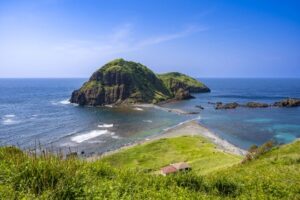
When people think of Sado Island, many often picture dramatic coastlines, fresh seafood, or award-winning sake. While those experiences are most definitely a part of its charm, Sado's real identity is best experienced through visiting three remarkable destinations that each represent a different aspect of the island's essence. From the rich legacy of one of Japan's most abundant gold mines to the conservation of one of the world's rarest birds to the preserved town of a historic fishing village, these attractions show why Sado is unlike anywhere else in Japan.
Whether you're visiting for a day or planning a longer journey, these three destinations offer a complete picture of the island's rich history, natural beauty, and enduring traditions.
1. Kinkou Gold Mine - The Legacy that Shaped an Island
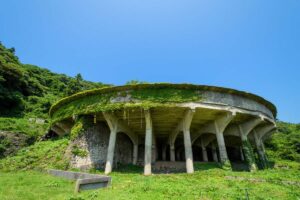
Existing for almost four centuries, the Kinkou Gold Mine served as the economic heart of Sado Island. First established in 1601 during the Edo Period, the Gold Mine quickly became one of the world's most productive gold and silver mines, supplying enormous wealth to the Tokugawa Shogunate and supporting the financing of Japan's development for many generations.

Today, visitors can explore the preserved mining tunnels, learn about the lives of miners through numerous realistic exhibits filled with statues, and experience the impressive hand-carved excavation sites that remain carved into the mountainside. Walking through the mine offers a rare glimpse into Sado's industrial history-the story of how Sado evolved into a center of commerce, engineering, and innovation.
Recognized as part of the UNESCO World Heritage Site, the mine stands as a symbol of Sado's historical significance and the generation of Sado natives that shaped the island's identity.
What it represents: History- a reminder of the island's economic, industrial, and historical importance to Japan.
2. Toki Forest Park - Preserving Hope for Future Generations
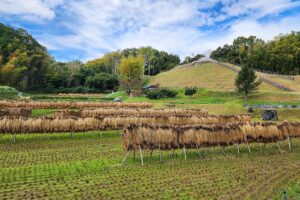
While a look into Sado's past reveals a history defined by gold, its future is represented by the vibrant red-faced crested Ibis known as the Toki.
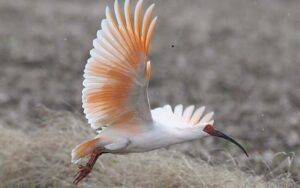
Once widespread throughout Japan, the Japanese crested ibis vanished from the wild due to habitat loss and environmental shifts. Sado Island became the hot spot of one of Japan's most ambitious wildlife conservation projects, collaborating with international contributors to successfully breed and reintroduce the once endangered species back into its natural habitat.
At Toki Forest Park, visitors can observe these elegant birds up close while learning about their decades-long history, which transformed Sado into a global example of successful eco-restoration. Interactive exhibits teach the audience about the mutually beneficial connection of biodiversity, sustainable farming, and wildlife protection, demonstrating how local communities have worked together to restore the island's ecosystem.
What it represents: Preservation- A symbol of Sado's stewardship towards protecting nature and preserving beauty for future generations.
3. Shukunegi - A Living Window into Traditional Japan
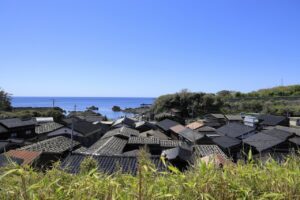
Situated alongside Sado's southern coast lies the town of Shukunegi, one of Japan's best-preserved historic port villages. During the Edo Period, the village prospered as a hub for shipbuilders and sailors traveling the Kitamaebune shipping route, which connected both northern and western Japan.
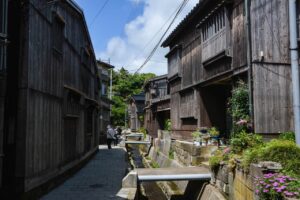
As of today, the narrow stone lanes that weave between the tightly packed wooden homes were built by skilled ship carpenters who maximized every available inch of land. A lot of these centuries-old buildings remain standing to this day, allowing visitors to experience a community that has preserved its own architectural character and maritime histories.
Unlike museums that simply display history, Shukunegi becomes a walking living museums where residents still resides there, preserving their local long-standing heritage. Walking through the maze-like streets offers a unique glimpse into the past, experiencing the energy of old Japan while appreciating the classic craftsmanship that has endured through generations.
What it represents: Culture- a celebration of Sado's maritime heritage, traditional architecture, and enduring community essence.
Experience the Complete Story of Sado Island
Each of the destinations reveals a new facet of Sado Island.
- Kinkou Gold Mine tells the story of the Island's remarkable history and economic influence.
- Toki Forest Park showcases Sado's dedication to preservation and environmental conservation.
- Shukunegi reflects the culture and traditions that instill life in the island to this day.
Together, these three attractions capture the essence of Sado Island-a place where history is preserved, nature is protected, and culture continues to thrive. Visiting all three allows visitors to experience not only an unforgettable travel experience but a deep-dive into what makes Sado so uniquely different from the rest of Japan.

Explore Sado's Natural Beauty: Best Activities to do on Sado Island
Exploring the Great Outdoors of Sado Island
Sado Island isn't simply a destination to visit; it's a place to experience. Surrounded by the Sea of Japan and home to many rugged mountains, traditional villages, diverse wildlife, and scenic coastlines, the island offers many ways to connect with local culture and the outdoors.
Whether you're a photography enthusiast, an avid hiker, or simply trying to get your steps in, Sado Island's natural environment caters to every traveler's whims. The best part? Most of these memorable experiences are completely free.
Here are some of the best outdoor adventures to add to your Sado itinerary.
Hike Through Sado's Picturesque Mountains
One of the best ways to explore Sado's natural terrain is on foot. The island features a variety of hiking trails that range from leisure walks to mountain climbs that will challenge seasoned hikers.
For beginners and shorter treks, the Osado Mountain Range is home to several scenic trails that weave through the different forests, ridgelines, and viewpoints overlooking the gorgeous and expansive coastal cliffs.
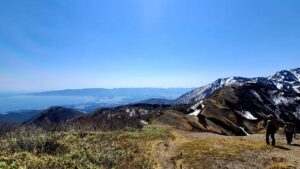
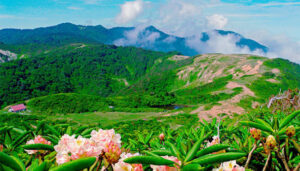
For the more experienced hikers, take on Mount Kinpoku, Sado's highest peak, which offers breathtaking panoramic views of the island and the surrounding Sea of Japan. During the warmer seasons, alpine flowers bloom across the landscape, making the journey during this time just as rewarding as the summit.
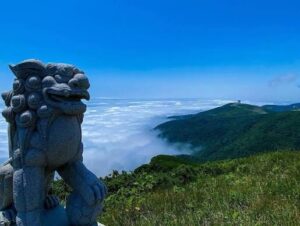
Why it's good for your itinerary:
- Seasonal wildflowers and autumn foliage
- Peaceful trails away from crowded tourist destinations
- Spectacular ocean and mountain views
Relax at Sado's Beaches
During the summer months, Sado's beaches provide an amazing place to unwind.
Different from the usual crowded mainland beaches, visitors can often enjoy expansive stretches of sand and luminescent water in a serene setting. Swimming, beachcombing, reading a book, or just enjoying the sea breeze are all wonderful ways to slow down and appreciate the island life.
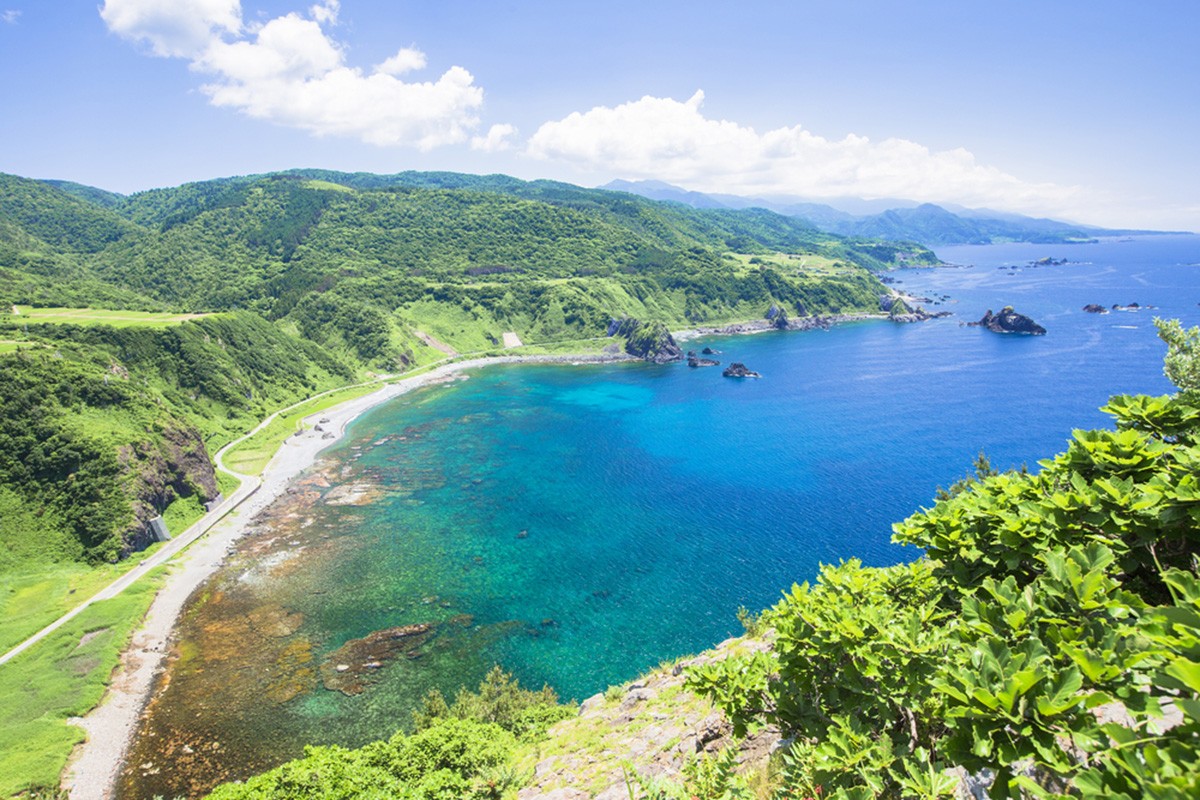
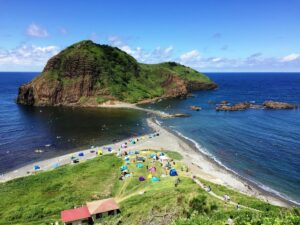
One of the most iconic destinations is Futatsugame Beach, located on Sado's northern tip. Famous for its crystal-clear turquoise waters and twin rock formations connected by a narrow sandbar, the beach was even featured as one of Japan's Top 100 Sea-Bathing Spots and received a two-star rating in the Michelin Green Guide Japon for its beautiful scenery. Ideal spot for swimming, snorkeling, or even camping.
If you're looking for a calmer view, Sobama Beach offers the island's longest stretches of sand, as long as nearly four kilometers. Its shallow, transparent water also makes it perfect for family outings or casual swimmers, while the peaceful surroundings provide plenty of room to rest without the busy crowds found at other mainland beaches. During the autumn and winter months, the stronger waves also make it a popular spot for surfers.
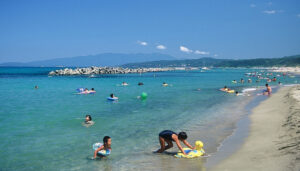
Whether you're taking a refreshing swim, watching the sun go down below the Sea of Japan, or simply relaxing with the sound of waves, Sado's beaches offer a tranquil retreat which complements the island's natural environment of forests and mountains. Many of these beaches also feature nearby campgrounds, allowing visitors to spend a night under the stars and wake up to the sound of the ocean.
Plan your beach adventure: Visit the official Sado Sightseeing Navi - Marine Activities page to learn more about beaches, swimming seasons, camping, and other coastal experiences.
Explore Sado's Historic Villages
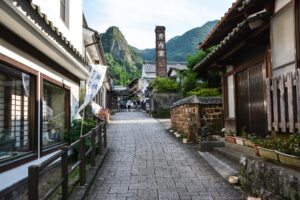
Beyond its striking landscape, Sado Island is home to numerous historic villages that preserve centuries of local history and tradition. Among them, Kyomachi Street in Aikawa offers one of the island's most authentic cultural journeys.
Once a bustling commercial district connecting the iconic Sado Gold Mine with the former magistrate's office, Kyomachi flourished during the Edo Period as craftsmen, miners, and merchants transformed the town into one of Japan's most prosperous mining communities. Today, visitors can wander through the quiet streets lined with traditional wooden buildings and historic storefronts, offering a gorgeous glimpse into Japan's ancient history.
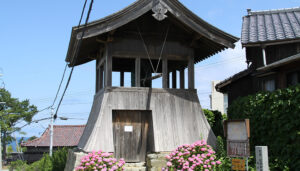
Nearby attractions such as the Time Bell Tower or the Sado Hangamura Museum make it an ideal stop for history enthusiasts and photographers alike.
Click this link to Learn More: Sado Tourism Navi - Kyomachi Street
Experience Sado's Iconic Tarai Bune
Few experiences are as uniquely Sado as riding aboard a Tarai Bune (Tub Boats), the island's famous wooden tub boats. Originally crafted from large washing tubs, these circular boats were developed by the local fishermen in order to navigate Sado's rocky coastline, where conventional boats would typically struggle due to the narrow coves. For generations, they were used to harvest seaweed, abalone, and shellfish from the island's shallow coastal waters.
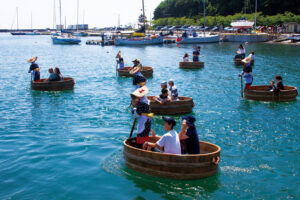
Today, the Tarai Bune has become one of Sado Island's signature attractions, granting visitors the opportunity to ride aboard this centuries-old tradition firsthand. Many of the Island's skilled boatwomen expertly guide the handcrafted boats across calm waters while sharing stories about the island's maritime heritage and the fishing communities that relied on them.
The most popular tours take place within the historic port town of Shukunegi, where visitors can glide through crystal-clear waters against a backdrop of coastal scenery. On calmer days, the water becomes so translucent, you can often see the marine life thriving underneath, making the experience super scenic.
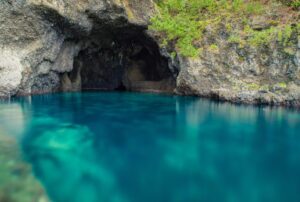
Beyond that, many operators offer additional activities such as motorboat rides, coastal sightseeing, and excursions to Sado's own "Blue Cave", allowing visitors to experience both traditional culture and outdoor adventure. This activity is perfect for any type of party, whether you're a solo, couple, or even a family; a Tarai Bune ride is one of the island's most memorable experiences.
Book a Tarai Bune ride: Visit Sado - Taraibune Rikiya Kanko Kisen
Ready to Plan Your Adventure?
Whether you are hiking through mountain trails, paddling through Sado's rugged coastline, or taking a ride aboard the traditional Tarai Bune, planning is always a huge boon for you to make the most of your trips. Many of the guided activities, especially cultural workshops, kayaking, or paddleboarding, often require reservations, particularly during peak travel seasons.
Start planning your Sado Adventure: Visit Sado - Sado Island Adventure
Gakkogura: Innovation & Community
By Anh Bao Mac Jul 13, 2026
Gakkogura: An Introduction
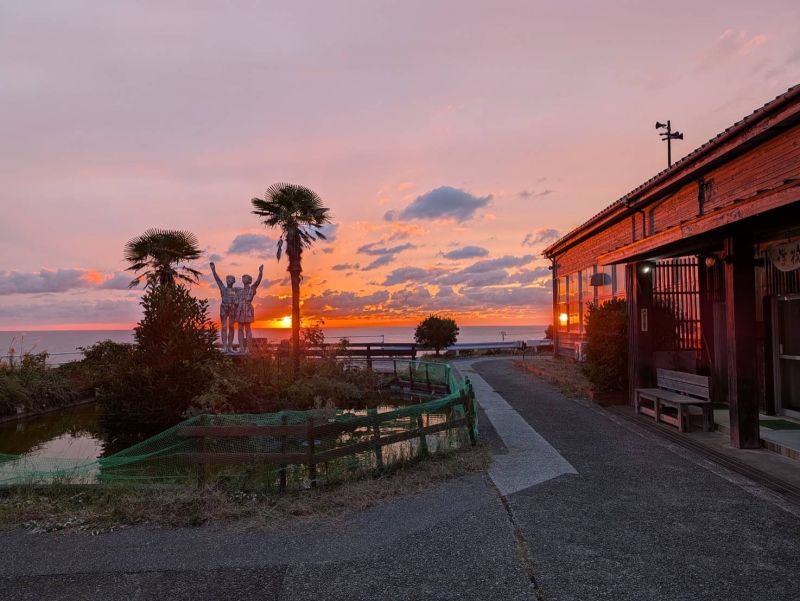
Gakkogura, a school brewery, is a sustainable brewery renovation project that began in 2010, when an elementary school known for the most beautiful sunset in Japan, overlooking Mano Bay, ceased operation due to declining population.
However, like many rural communities across Japan, Sado Island has experienced population decline over the years. With fewer children still residing in the area, the school eventually closed in 2010. Rather than allowing the building to fall into disrepair, Obata Shuzo saw an opportunity to renovate the abandoned school.
In 2014, the school was transformed into Gakkogura, a unique sake brewery dedicated to producing sake brewed only on Sado Island. Today, the classrooms have been transformed into brewing spaces, welcoming visitors globally to experience Japanese sake culture in a unique and authentic environment.
A Brewery Inspired by Sado Island
Sustainability at Heart
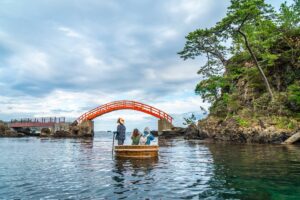
One of the most impressive aspects of Gakogura is its commitment to sustainability. Obata Shuzo describes the brewery as becoming a Sayotama Circulation Brewery.
“Satoyama” refers to the most traditional Japanese relationship between people and nature, where communities carefully harmonize the farmland, waterways, and forests in ways that can benefit both humans and the environment.
Rather than outsourcing the ingredients, Gakkogura focus their effortson local procurement through several initiatives.
Biodiversity and Environment
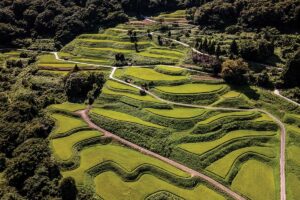
The brewery sources all of its brewing rice from Sado Island. A lot of rice is often cultivated using oyster shells harvested from local lakes. Other rice comes from the historical Rising Dragon Terraced Rice Fields in the Iwakubi area.
These spectacular rice terraces have existed for 400 years. Maintaining them has largely become a difficult issue due to Japan’s aging and declining rural population. Through locally sourcing the rice there, Obata Shuzo is assisting with the traditional agricultural preservation.
Tradition Meets Modern Technology
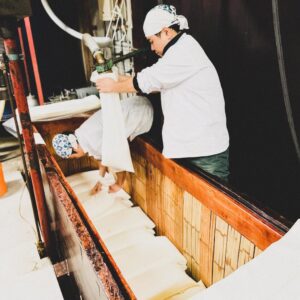
Although Gakkogura embraces innovation, it never abandons traditional sake brewing methods. Many of its products are pressed using the Fune method, a centuries-old wooden pressing technique that gently extracts sake from fermented mash.
At the same time, brewers also utilize advanced sensing technology to carefully monitor fermentation. Rather than replacing craftsmanship, environmental sustainability extends beyond agriculture. Gakkogure also invested in renewable energy through the installation of solar panels to power brewery operations.
Furthermore, the brewery is also collaborating with the University of Tokyo’s Institute for Future Initiatives to work towards creating a zero-carbon sake brewery. This combination of traditional craftsmanship and environmental research is an exemplary demonstration of how well-organized and hand-in-hand centuries-old brewing techniques can evolve alongside modern sustainability efforts. The balance between old and new has manifested itself in one of Gakkogure’s defining traits.

Opportunities to Become a Sake Brewer
I made Japanese Sake - THE ADVENTURE BEGINS!
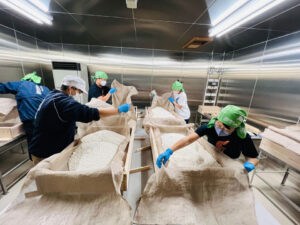
One of Gakkogura’s most distinctive features is a program where visitors can become sake brewers themselves. The brewery offers a one-week sake-making program during the summer where participants can experience the brewing process alongside professionals.
Guests learn the fundamentals of sake production while being able to explore Sadogashima’s unique history, enriching food culture, and pure natural environment. For many international travelers, this is a rare opportunity to gain hands-on experience beyond that of a standard brewery tour.
Gakkogura Brewing Program 2026
The program offers the following:
- Sake-making: From washing the rice to koji making, experience the full journey from grain to sake.
- Classroom Experience: 7-day program with sake experts as faculty.
- Immersive Journey: Rice field tours and 1-day overnight accommodation at the school are part of the program.
- Receipt of Certification: At the end of the program, take part in a graduation ceremony and receive a certificate in Sakeology in collaboration with the Niigata University Sakeology Center.
Discover the Taste of Manotsuru Sake
Of course, no visit to Gakkogura is complete without experiencing Manotsuru, Obata Shuzo’s signature sake brand. Brewed with carefully sourced rice from Sado Island’s natural environment and pure local water, Manotsuru is an exemplary reflection of the island’s rich natural environment and centuries of tradition.
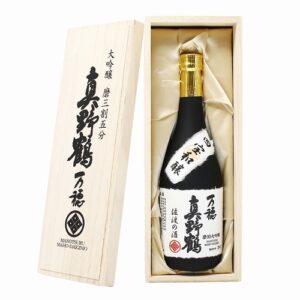
Manotsuru Maho Daiginjo, Obata Shuzou’s Premium Sake. Photo Credit: Obata Shuzou Co., Ltd
Why Gakkogura Should Be on Any Sado Island Itinerary.
Whether you’re passionate about sake, interested in sustainable tourism, or looking for a unique, fun experience in Japan, Gakkogura offers a unique opportunity that few destinations can match. Rather than simply preserving history, Gakkogura demonstrates how tradition can change and adapt without getting rid of its roots.
Every bottle produced here is a reflection of Sado Island’s unique culture–its landscape, the people, and its determination to create a sustainable future without letting go of its roots.
If you’re planning to visit Sado Island, Gakkogura is a must-stop, and it’s a destination that captures the spirit of the island itself.
Why Sado Island Should Be Your Next Sake Destination: Five Breweries To Visit
By Anh Bao Mac Jul 8, 2026 11:00 AM

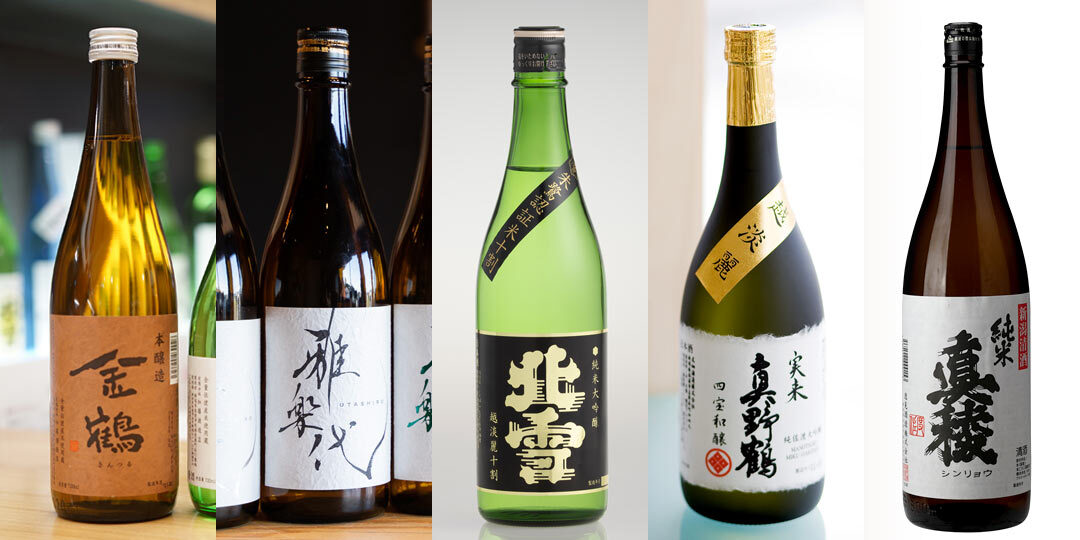
Whenever travellers think of Japanese sake, regions like Hiroshima, Niigata, and Kyoto often come to mind. However, just off the coast of Niigata City lies Sadogashima, an island where centuries of sake brewing traditions, pristine nature, and passionate craftsmanship come together to create some of Japan’s most unique sake experiences.
Home to just five active breweries, Sado Island might at first seem modest in size, but there’s more than meets the eye. With only a population of around 50,000, Sado boasts one of the highest concentrations of world-class sake anywhere in Japan. Each brewery has developed its own identity while sharing some of the island’s most defining ingredients: locally grown rice, pure mountain water, and a deep respect for traditional brewing.
Whether you are a sake enthusiast or simply traveling to experience authentic Japanese tradition, these five breweries reflect a deep dive into the heart and soul of Sado Island.
1. Hokusetsu Shuzo - International Icon

On the Global Stage
Founded in 1872 in the coastal town of Akadomari, Hokusetsu Shuzo has become Sado Island’s most well-known brewery on the global stage.
Its international reputation grew through an exclusive partnership between Fumio Hazu, Hokusetsu's current president, and celebrity chef Nobu Matsuhisa, which made Hokusetsu the only sake served at Nobu restaurants worldwide. From New York and London to Dubai and Tokyo, diners often get to experience Sado Island’s finest sake at Nobu.
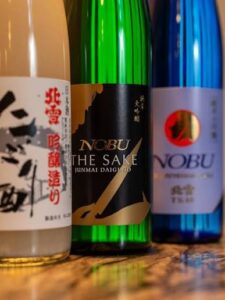
Hokusetsu NOBU Sake Line. Credits: Nobu Restaurants
Premium Experience
Visitors can often sample their celebrated Daiginjo, which is the highest classification of premium sake. Often considered the crown jewel of a sake brewery, many diners learn about how the brewery’s crisp and clean brewing style has earned global recognition.
2. Obata Shuzo - Brewing Sustainability
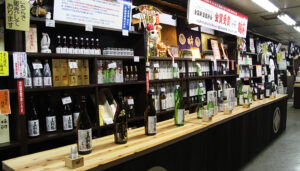
Blending Innovation and Sustainability
Obata Shuzo is known for its ability to blend tradition with innovation. Founded in 1892, the brewery is renowned for its award-winning Manotsuru Brand, but its commitment to sustainability is equally impressive.
Their famous Gakkogura Project transformed a former elementary school into a solar-powered summer brewery where visitors and aspiring brewers can all experience sake-making firsthand. Using many locally grown rice and eco-friendly brewing methods, Obata’s methods reflect how preserving tradition and protecting nature can go hand-in-hand.
For many travellers venturing into Sado Island and with an interest in sustainable tourism, this is one of Sado’s most inspiring stops.
3. Kato Shuzoten - Sado’s Hidden Gem
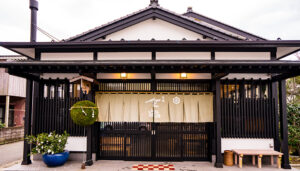
Local Traditions
Unlike other sake breweries that are focused on international exports, Kato Shuzoten received its well-beloved status through dedication to the local community.
Their flagship Kintsuru Sake is beloved by many Sado natives, with approximately 70 percent of production consumed on Sado Island itself. Due to their relatively limited reach to the mainland, Kintsuru is a must-visit brewery during your trip to Sado Island, as it is a truly local experience for many sake lovers.
The brewery also extensively produces its premium sake by sourcing organically cultivated rice grown by its own team, with an attentiveness given to quality from farm to production to bottle.
4. Tenryohai Brewery - The Future of Sado’s Sake
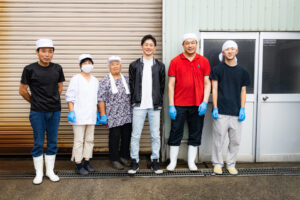
The Next Generation of Sake
Located near Ryotsu Port, Tenryohai Brewery is paving the way for the future generation of Japanese sake.
Under one of Japan’s youngest brewery owners, Senichi Kato, who was only 24 years of age when he took over in 2018, Tenryohai has embraced a fresh, modern brewing philosophy. Their Utashiro series offers refreshing flavors, light textures, and an elegant aroma appealing to both hardcore enthusiasts and newcomers alike.
The brewery often welcomes visitors throughout the year for guided tours and tastings, making it one of the easiest breweries to include in your Sado itinerary.
5. Henmi Shuzou - Traditional Craftsmanship and Preservation
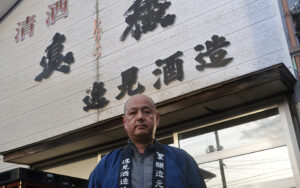
Old-Style Traditional Brewing
For travellers wanting to explore more of the old-fashioned and traditional way of Japanese sake, Henmi Shuzou is the must-visit locale and a rare glimpse into traditional brewing.
As the island’s smallest brewery, Henmi Shuzou has continued to rely on its manual techniques and minimal charcoal filtration system for the past decades, allowing each bottle to retain its natural richness and complexity. Their signature labels, Shinryo and Itaru, both showcase bold, strong flavours that remain reflective of the brewer’s original vision.
Every taste that you have here is a reminder of classical craftsmanship that will often flourish on a smaller scale.
Sake that Supports Nature
One of the most outstanding aspects of Sado’s brewing culture is its dedication to conservation.
Many of Sado’s own breweries source rice grown under Sadogashima’s environmentally friendly farming standards, developed to protect the endangered Japanese Crested Ibis. With Reduced-chemical farming as part of the standard, the breweries are helping to preserve the island’s natural wetlands while still producing exceptional sake rice. Every bottle from these breweries not only reflects traditional craftsmanship but also environmental stewardship.
A Must Visit for Every Sake Lover
A visit to Sado Island isn’t just a sightseeing trip, but a beautiful glimpse into the community where history, nature, and artisanship all work together to enrich everyday life.
From internationally celebrated breweries like Hokusetsu and Obata to local favourites such as Kato Shuzoten, and alongside the innovation of Tenryohai and traditions of Henmi Shuzou, each brewery reflects different aspects of Sado’s enriched environment.
Whether you are exploring historical towns, cycling along the coast, or enjoying fresh seafood overlooking the Sea of Japan, make time to enjoy their locally brewed sake. It’s one of the most authentic and memorable experiences Sado Island has to offer.