
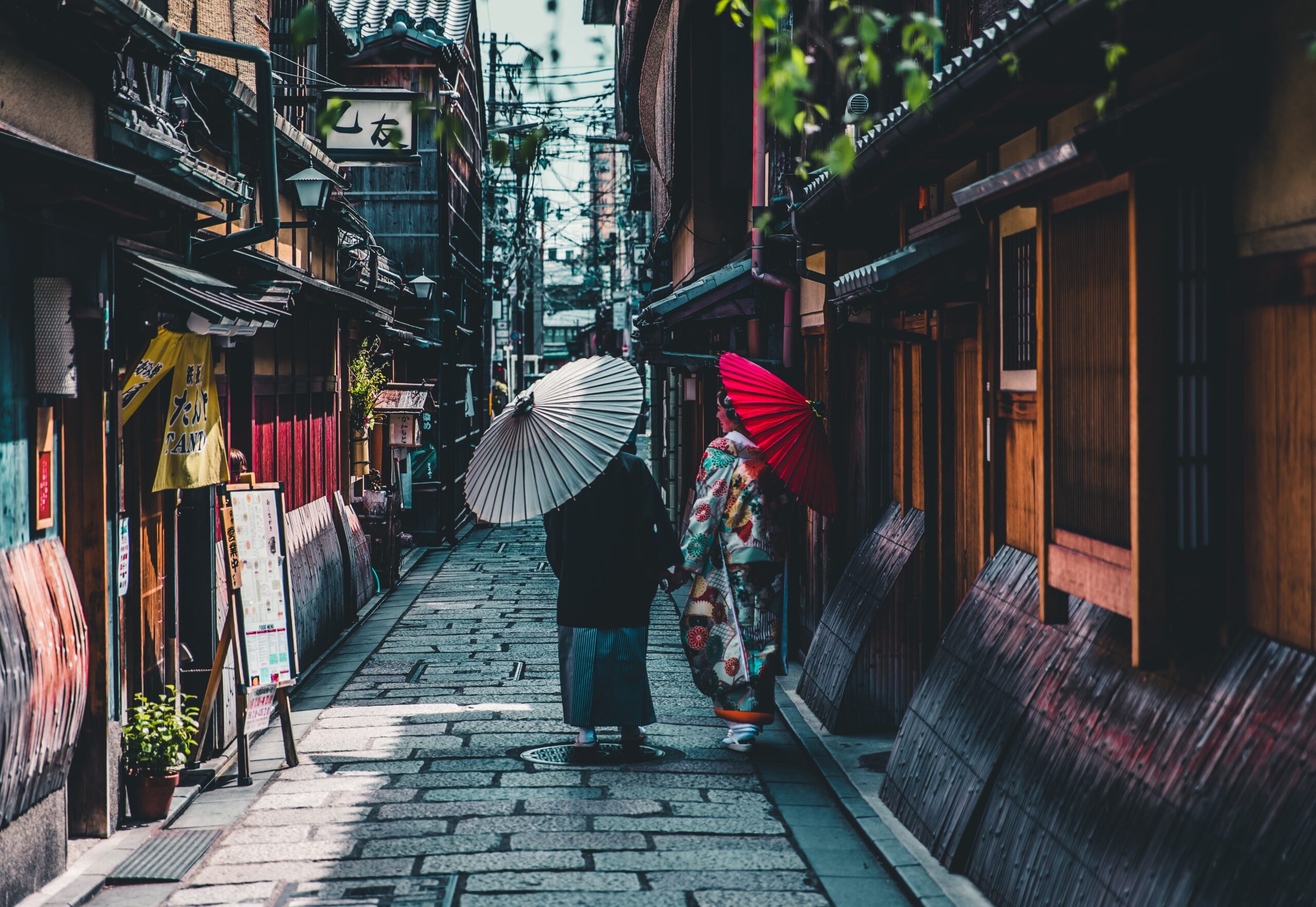
The Benefits of Long-Term Travel
The Benefits of Long-Term Travel
Say hello to long-term travel and experience life with the luxury of time to enjoy it!
Long term travel is the greatest experience you can have. The ability to slow down and the flexibility to stay in a place for as long as you want, long-term travel has many benefits.
So what is long-term travel?
Long term travel is about more than simply visiting places, it’s about experiencing them. And experiencing them with freedom. Some say it’s travelling for more than three months, others say it’s travelling for a year. There is no exact definition for it and that itself allows us to find one on our own. Experience life and meet new people with the potential to change your itinerary to enjoy the things and places you love the most.
Here are some benefits of travelling this way…
1. Gain a deeper understanding of the location, people and culture of a certain place
You can read as much as you want about a place, but actually immersing yourself and staying in the one place is something you won’t get out of a travel guide. Sometimes, beliefs and traditions may only make sense when you experience them firsthand, when you’re able to see and feel them in practice. In this regard, long term travel is a great way to learn how to embrace cultural differences while travelling.
2. It’s better for the environment
Less is more.
When travelling long-term, you will adopt a minimalistic way of life. Focusing on replacing stuffed itineraries with mindfulness. Stay longer and find activities that give back to locals – sometimes the best adventures are off the beaten path.
3. Flexibility to stay longer
Travelling long-term gives you more flexibility, which can lead to better experiences and connections with the people around you.
No plan? No Problem!
Don’t get caught up in having everything planned. Go back to the places you love, get to know the area you are staying and meet many people along the way. Create honest and genuine relationships that really can last forever.
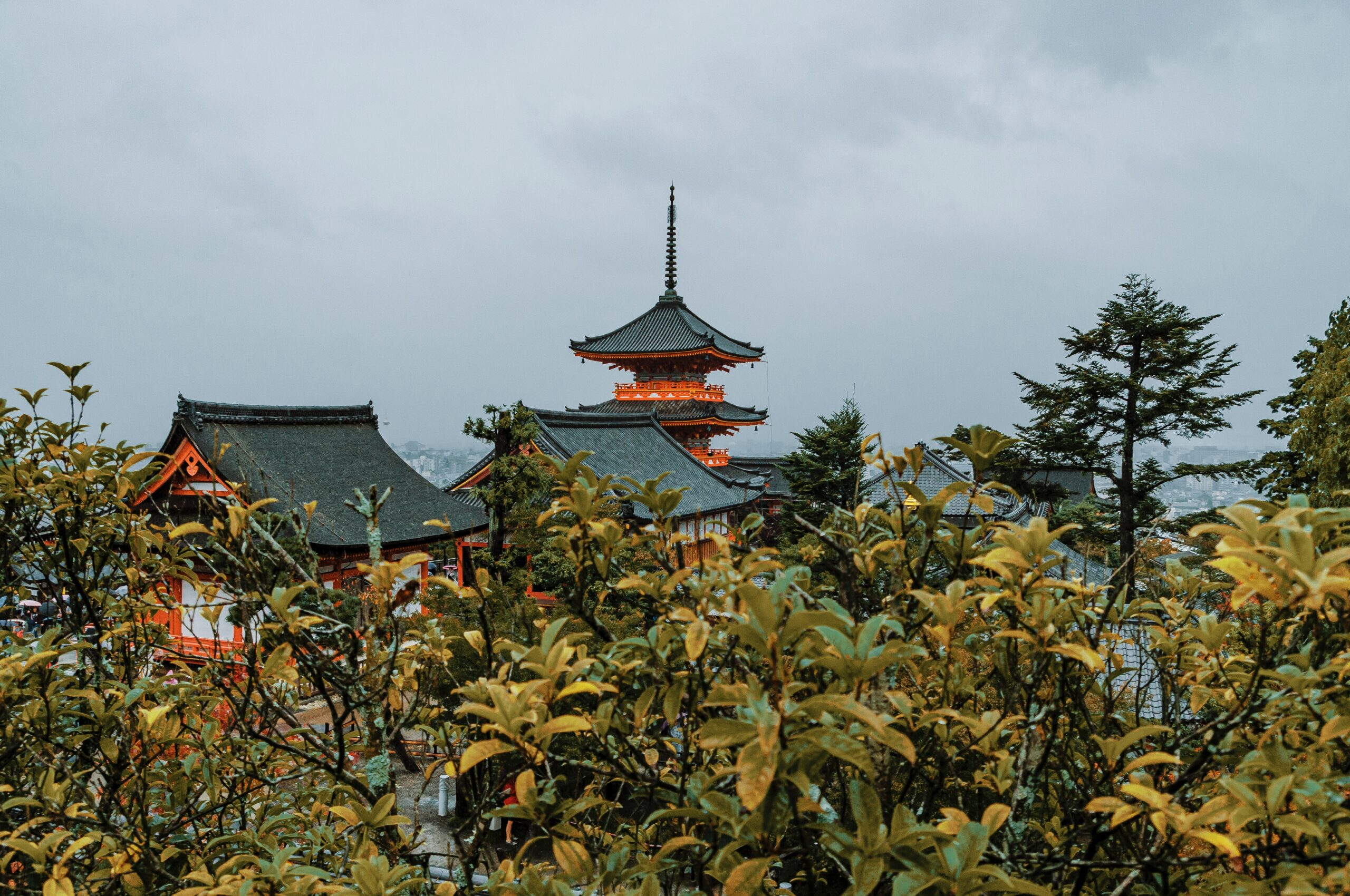
So what have you got to lose?
Take the leap and devote a month or two, at least, to exploring a place with curiosity and interest.
Or retire, travel the world and enjoy a less stressful way of life.
Long-term travel is becoming increasingly popular with retirees. With the ability to extend your trip, the freedom to focus on the present and the time to make the most of every day. Unrushed.
Wake up in an exotic country, with no specific plan, knowing that you have all the time in the world.

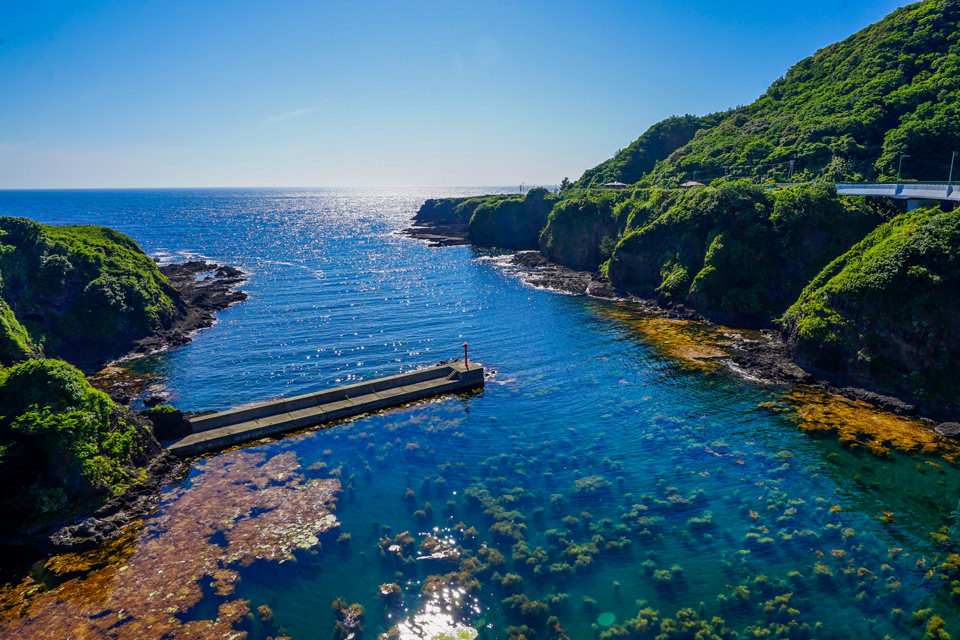
The ultimate guide to Sado Island
The Ultimate Guide to Sado Island
With the untouched coastlines and enchanting culture, Sado Island is the perfect getaway from the fast-paced, chaotic city life you’ll experience on mainland Japan.
Sado Island is Japan’s sixth-largest island, known for its jagged coastlines, its hidden rock pools, its fascinating culture and its mesmerising landscapes.
From entertainment recommendations to knowledge about the unique cultural activities you can experience, this all-in-one guide is all about turning you into the insights of the island.
Where to Adventure?
One of the things we love most about Sado Island is the variety of activities and opportunities it has to offer. With adventure’s to be found both in the water and on land, there will never be a dull moment during your stay.
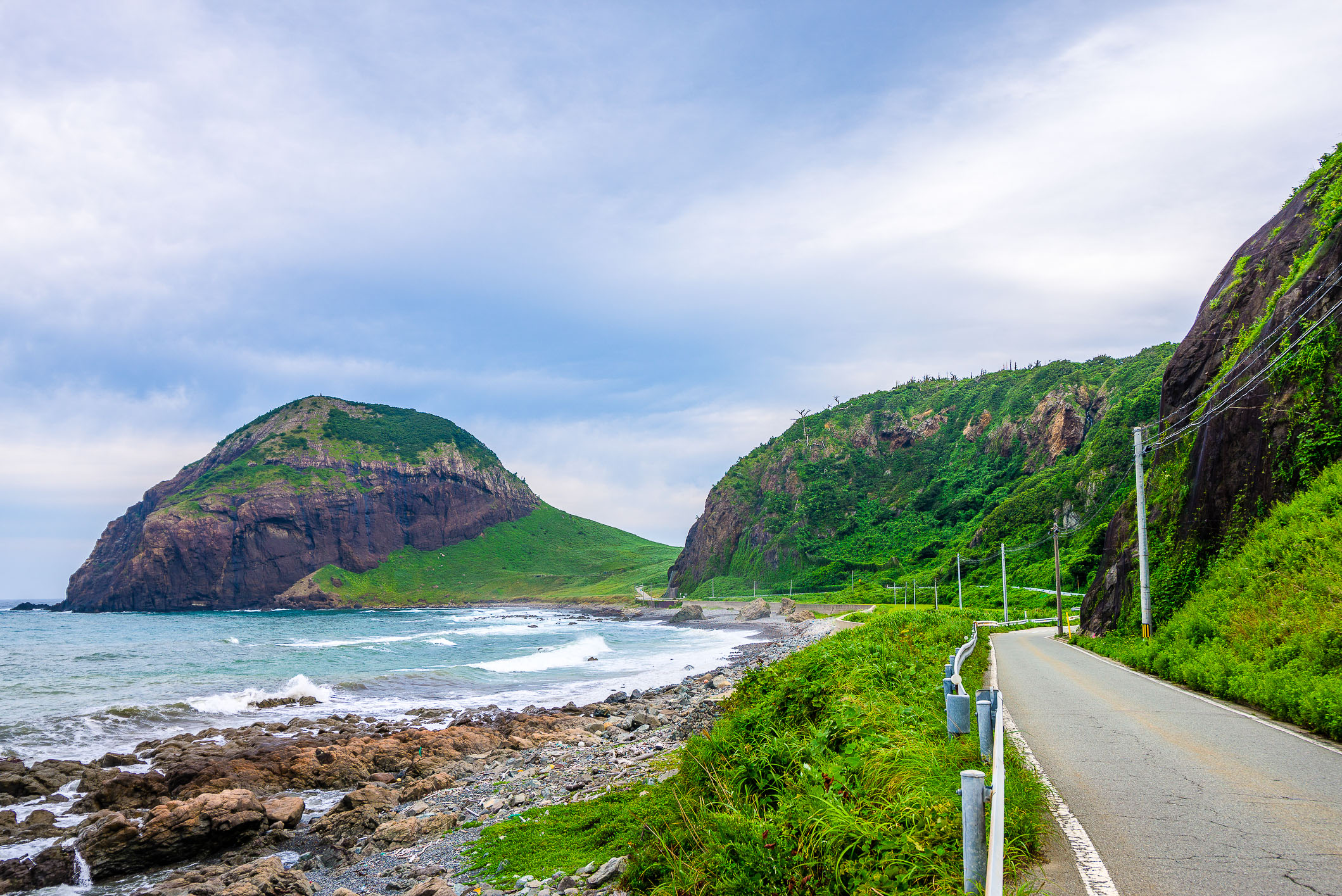
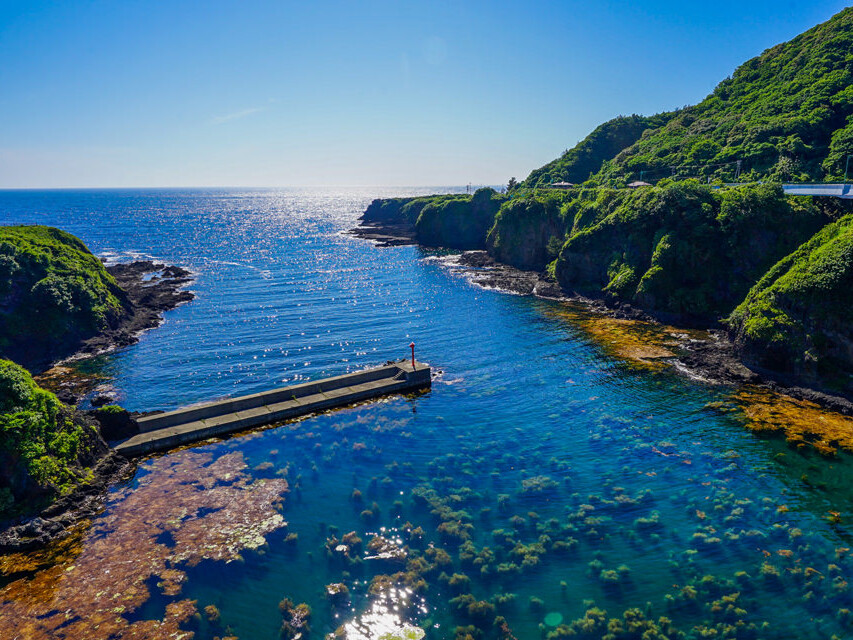
Take a traditional taraibune boat ride and explore the incredible cobalt blue coast while feeling the salty sea breeze in your face! Although almost completely un-boatlike in appearance, the taraibune are intimately associated with this remote Japanese island. Relive a scene from Studio Ghibli’s Spirited Away and take a ride on the azure waters around port Ogi.
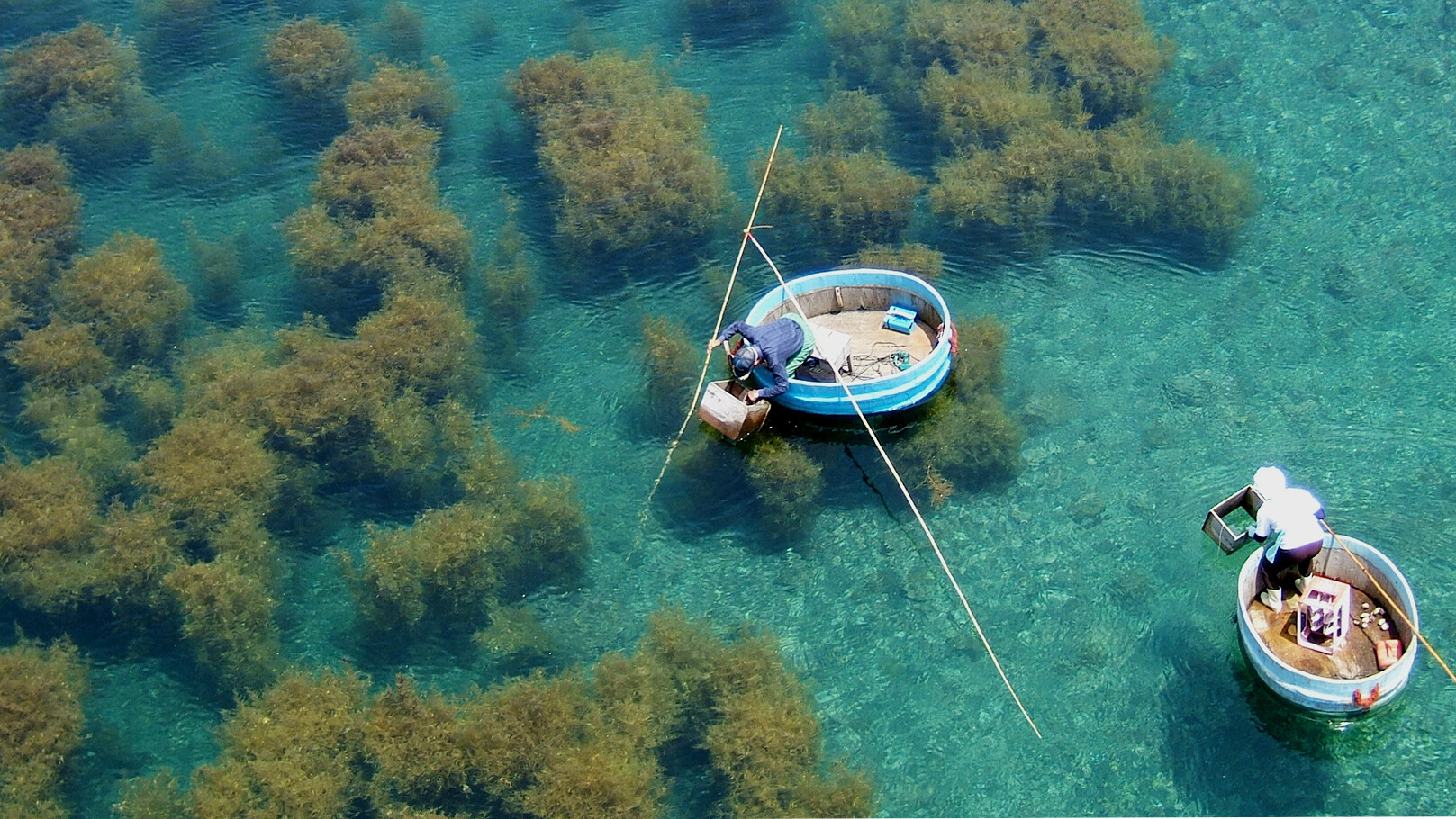
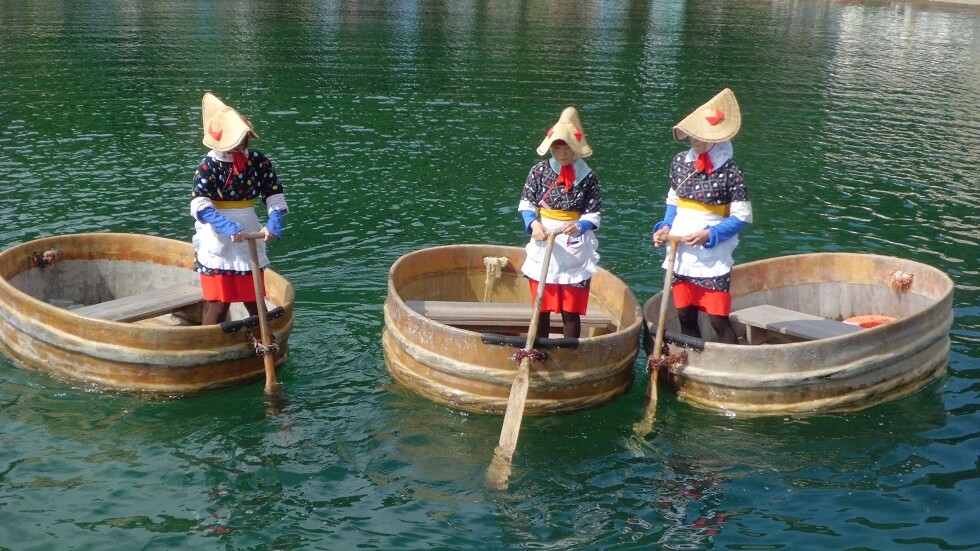
On land, make sure to visit Sado Island’s gold mines, where you can experience the 400-year-old history from Japan’s industrial past. At the Sado Kinzan Gold Mine and the Sado Nishimikawa Gold Park, walk through the remains of the mines and explore the history found within.
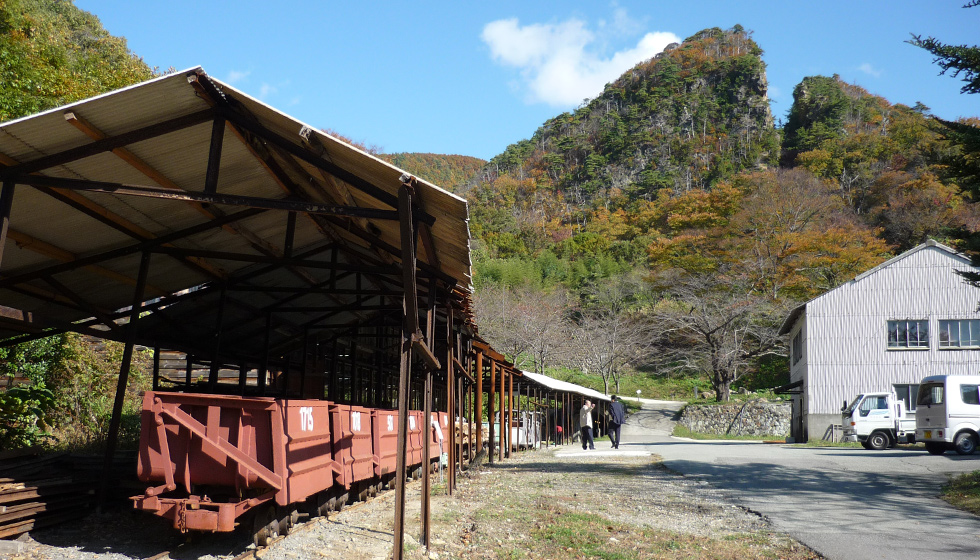
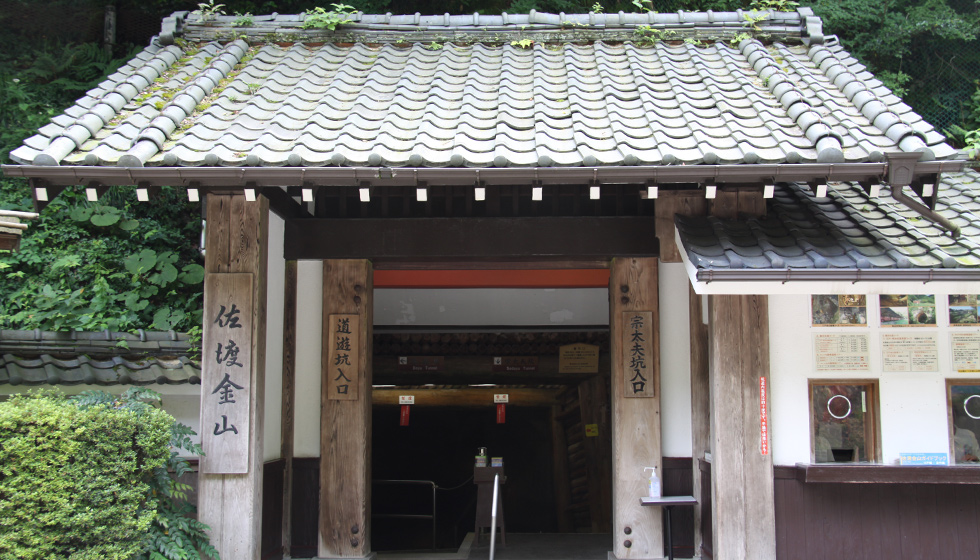
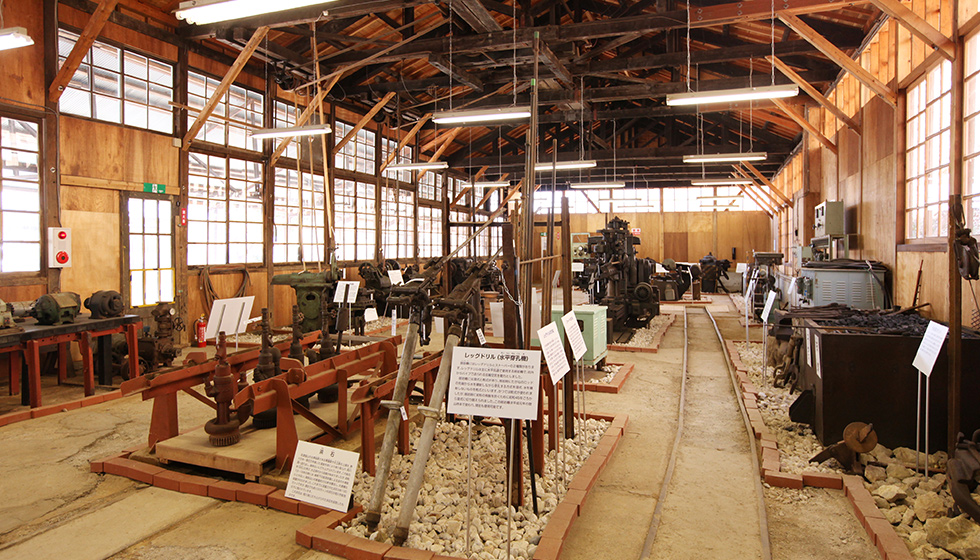
Don’t miss the opportunity to explore this fascinating island only 32km from mainland Japan.
Where to eat?
Sampling the local cuisine of any destination surely ranks as one of the great pleasures of life.
Surrounded by the Sea of Japan, Sado is blessed with an abundance of seafood all year round. The people of Sado believe in nurturing biodiversity, thus, you could not get any fresher seafood or rice. Hence, savour excellent foods prepared with the freshest seafood, rice and farm produce. Sado rice is renowned as a top, brand-name rice, on par with Uonuma rice, nurtured by the moderate climate of Sado, the rice dishes served on Sado Island are some of the best you will ever taste.
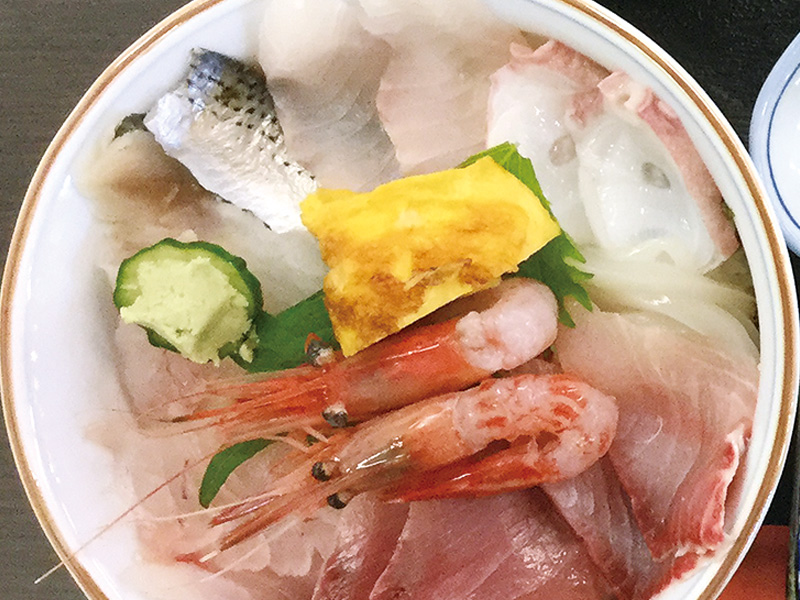
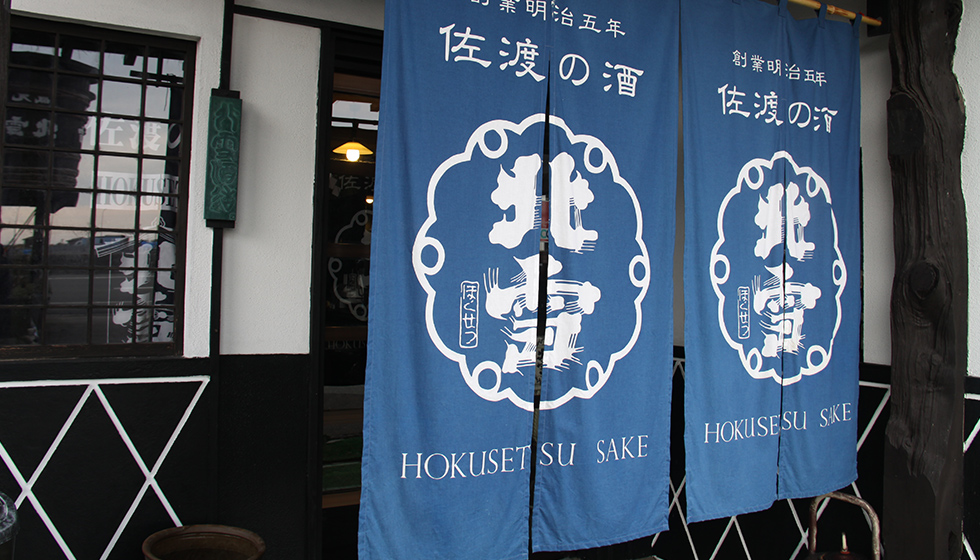
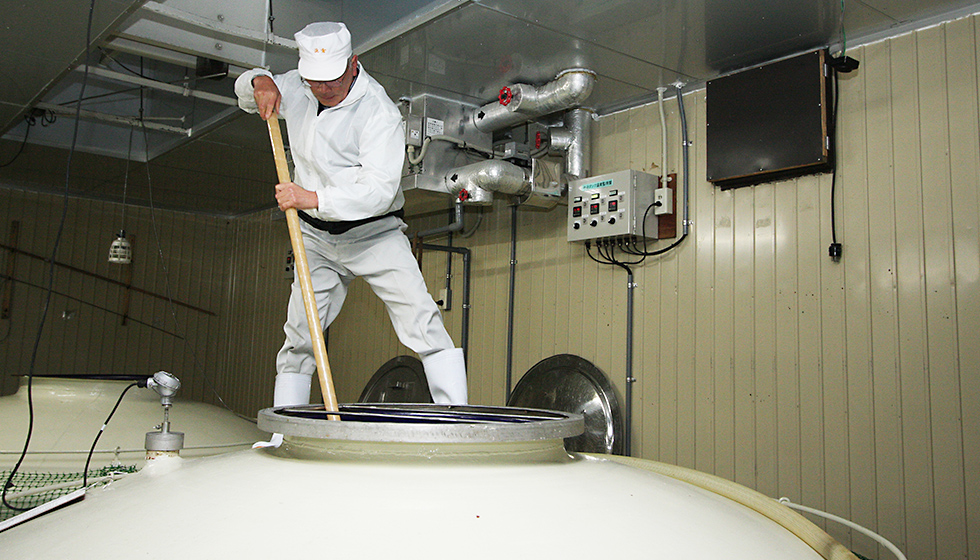
While you’re there, don’t miss checking out the best of Sado’s restaurants and breweries, like one of our (and Robert De Niro’s) favourites, the Hokusetsu Sake Brewery.
Where to Learn about Traditional Japanese Culture?
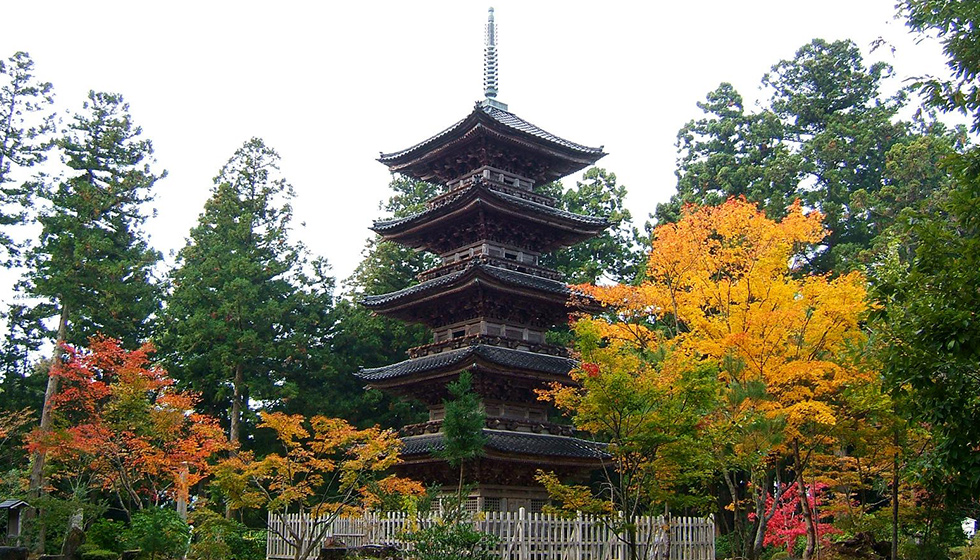
Be sure to visit the local shrines and temples of the area and learn about the history and architecture of the structures.
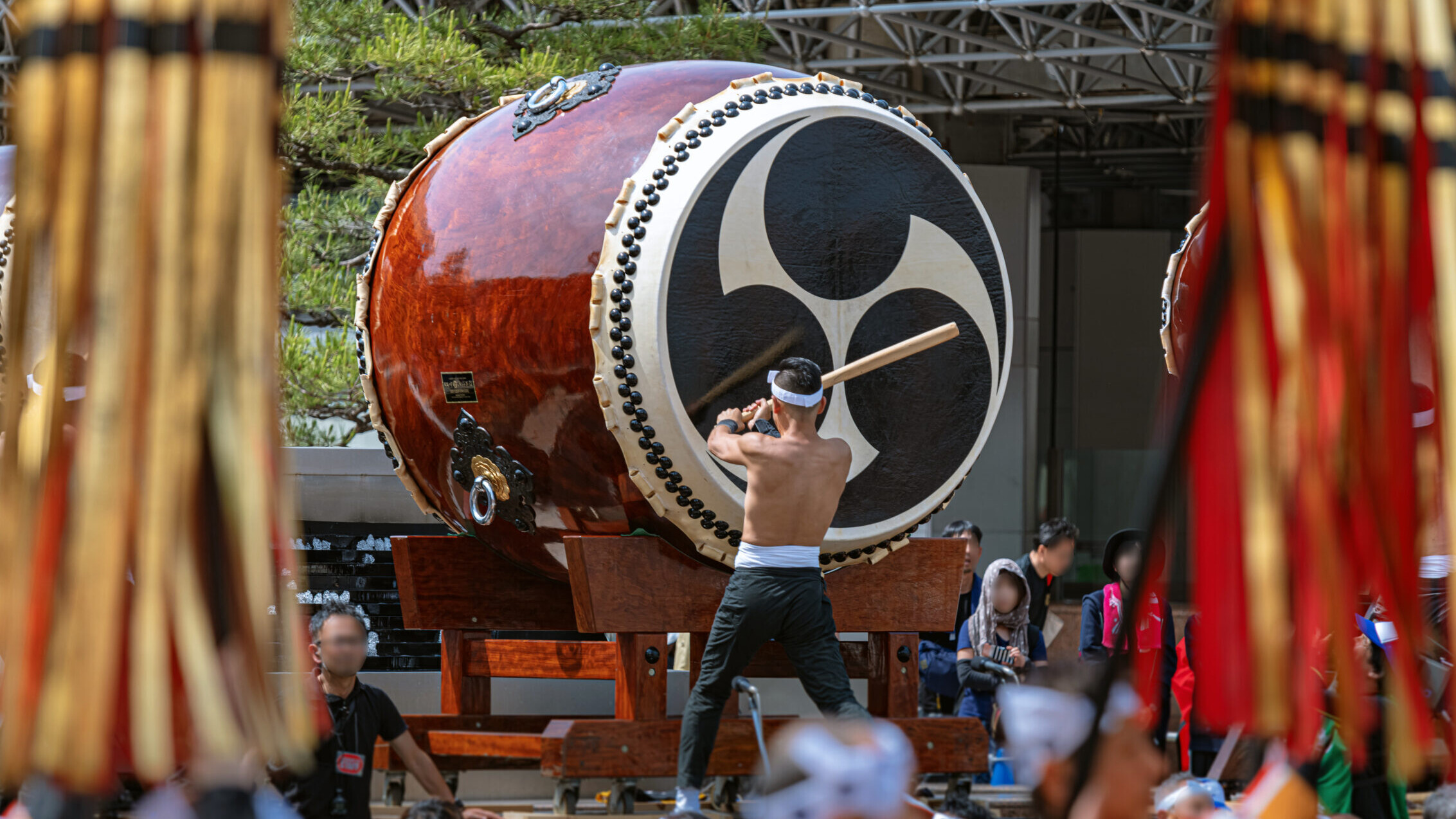
Finally, don’t miss the chance to learn the techniques and rhythms of taiko drumming from a former member of the world renowned Kodo Drummers of Sado Island.
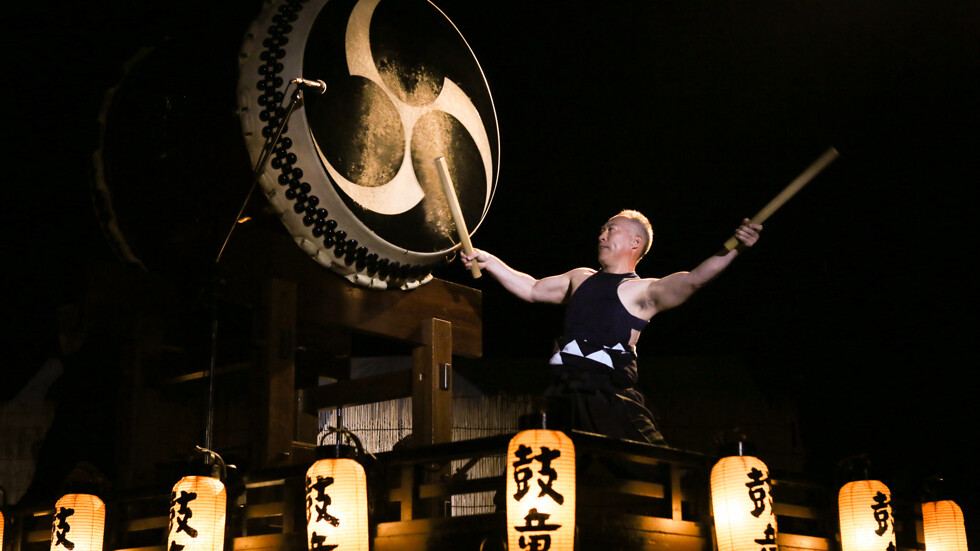
Take advantage of the rich culture the Island offers.
Where to shop?
Don’t forget to support the locals by buying traditional crafts from the local people.
How to get there?
Sado Island, while appearing quite remote, is actually very accessible. To get to the island, you will need to get to Niigata Port, from there you can travel by ferry or high speed jetfoils to get to the island.
The ferry usually runs approximately 6 times a day, however, this may change depending on the season of when you are travelling.
Make sure to check out the Sado Kisen Website for ferry timetables, prices, ticket reservations, and boarding procedures, etc.
For more information, be sure to visit https://www.visitsado.com/en/
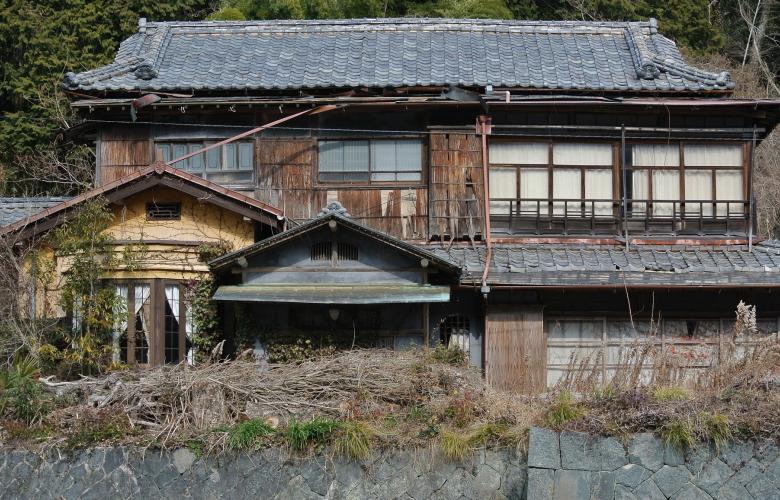
Buying Akiya (abandoned houses)
Buying and restoring ageing countryside homes in Japan
Have you ever thought about buying and restoring an ageing countryside home in Japan?
Well, here I am to tell you how easy it is.
Even for foreigners
Residency status is not needed and there are many real estate agents that cater towards foreigners looking to invest in the Japanese property market. That said however, without a work visa or permanent resident status, obtaining a loan can be difficult. But not impossible. Hence, foreign buyers typically opt to pay cash for this reason.
So what are you waiting for?
With an abundance of ageing homes in Japan, you will be sure to find one that you are able to renovate yourself in your desired prefecture. But, while it may be tempting to seize the opportunity and purchase a home remotely, I would highly recommend viewing the house in person. This way you will see the potential of the property you are building.
Investing in an ageing home…
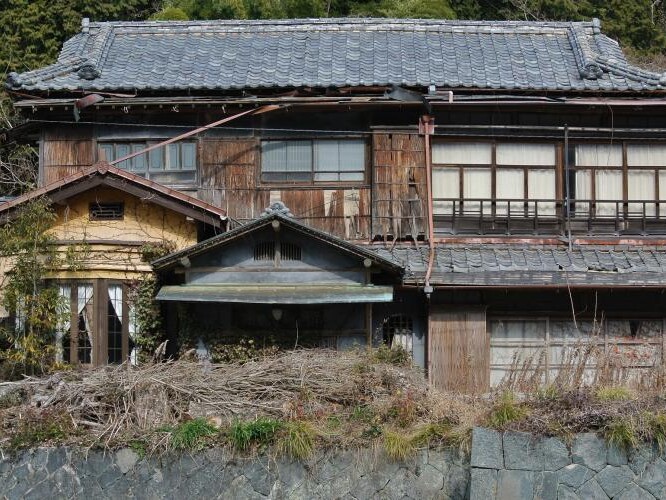
Japan’s ageing population and lack of employment opportunities in the countryside has contributed to the many abandoned and unused homes in the more rural areas of Japan. According to Japan’s Housing and Land Survey in 2018, there were 8.76 million unoccupied houses counted. And the number is set to increase. But, if we can remodel these old houses, their value will not decrease and we will be able to revitalise the countryside.
Unlike in other countries, these houses do not gain value over time. In fact, just the opposite is true. The value of the property is usually solely in the amount of land. Typically, the main house is the least valued asset on the land, being worth a couple of thousand dollars.
It is no secret that most ageing countryside homes have some flaws. And it pays to look for a property with an element of ‘buyer beware’. Consulting an agent in Japan or looking at Akiya & Inaka, can be extremely beneficial when looking to purchase property in the countryside.
Common complications for foreign buyers include securing a loan and navigating local regulations around individual properties. But with the right amount of consideration and research, you could own and restore your own home in Japan.
Sure enough, maintenance is required. And depending on the former occupants and the age of the house, this may mean a lot of work. But do not let that deter you from buying one of these properties. The feeling of revitalising such an old home is indescribable.
What could be better than escaping to the countryside to unwind for a weekend?
Taking advantage of the rural locations, investing in an ageing home is a great way to contribute to the restoration of Japan’s countryside.
With many exquisite countryside homes out there, your renovation dreams are bound to come true. With a bit of time and consideration, the home could easily be converted into a studio, a library, an office or even accommodation for guests.
So why not take this opportunity? It is a small price to pay for a beautiful piece of history and a peaceful getaway in the countryside.
Reasons to stay in a Kominka
Reasons to stay in a Kominka
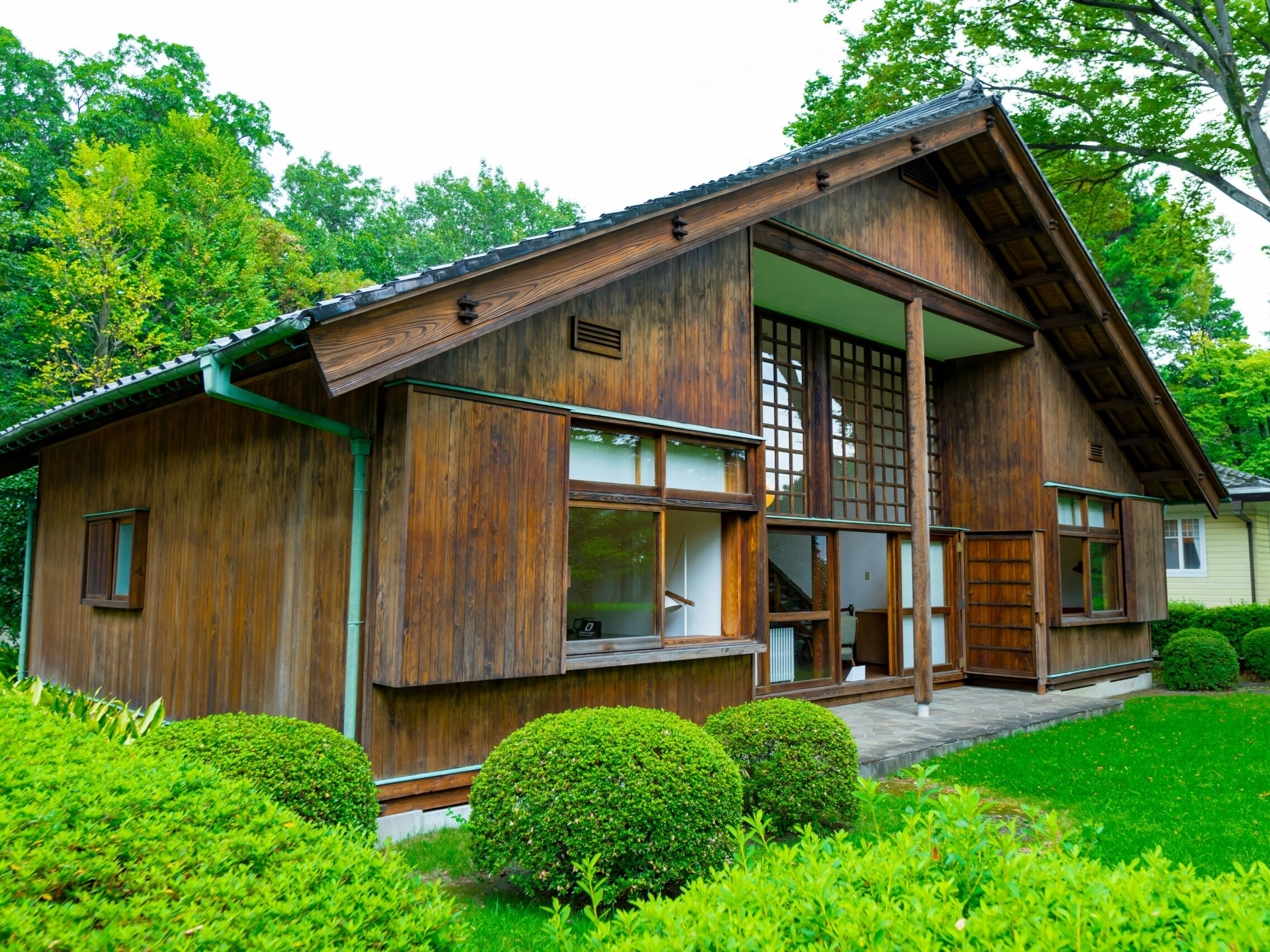
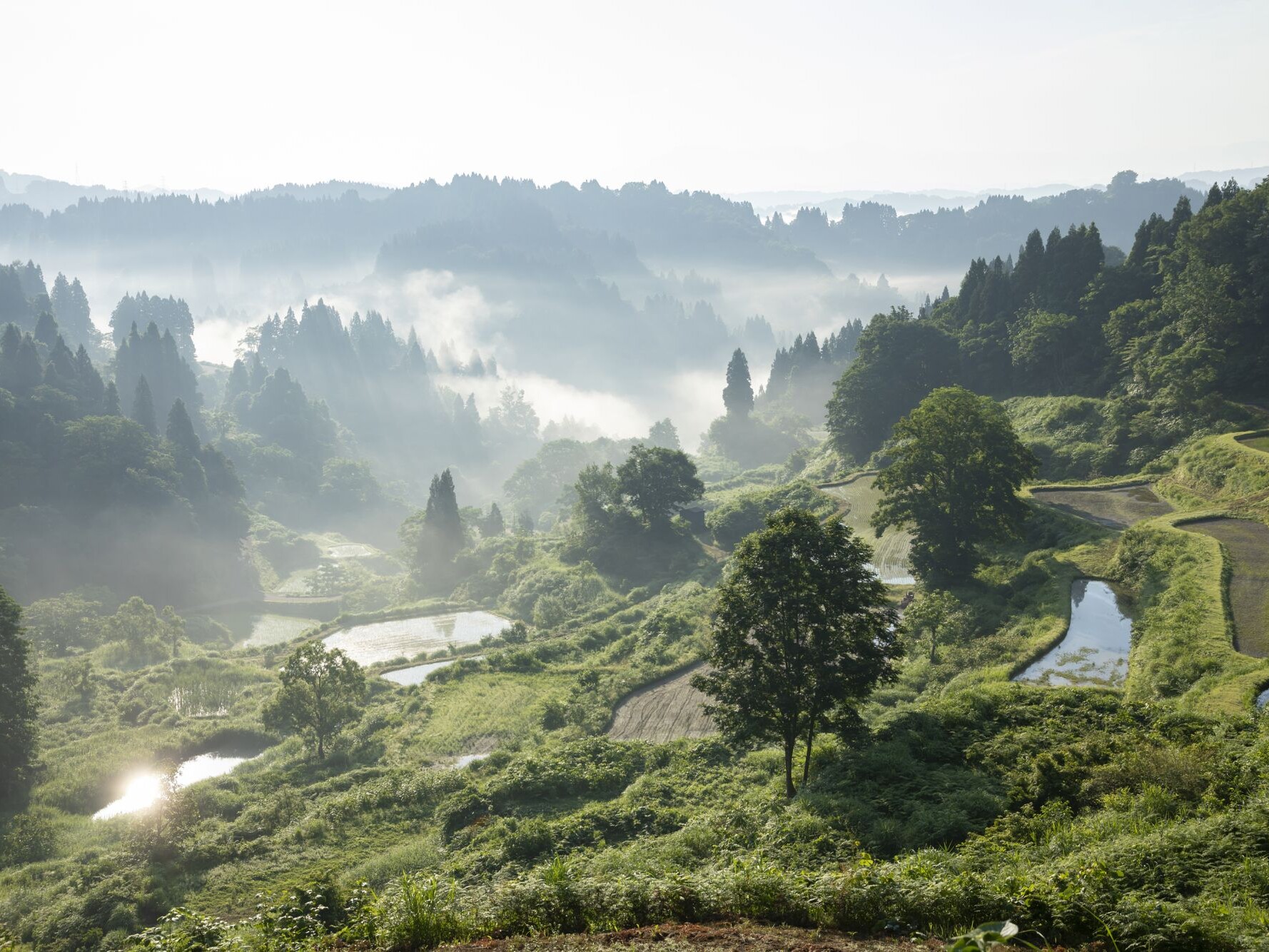
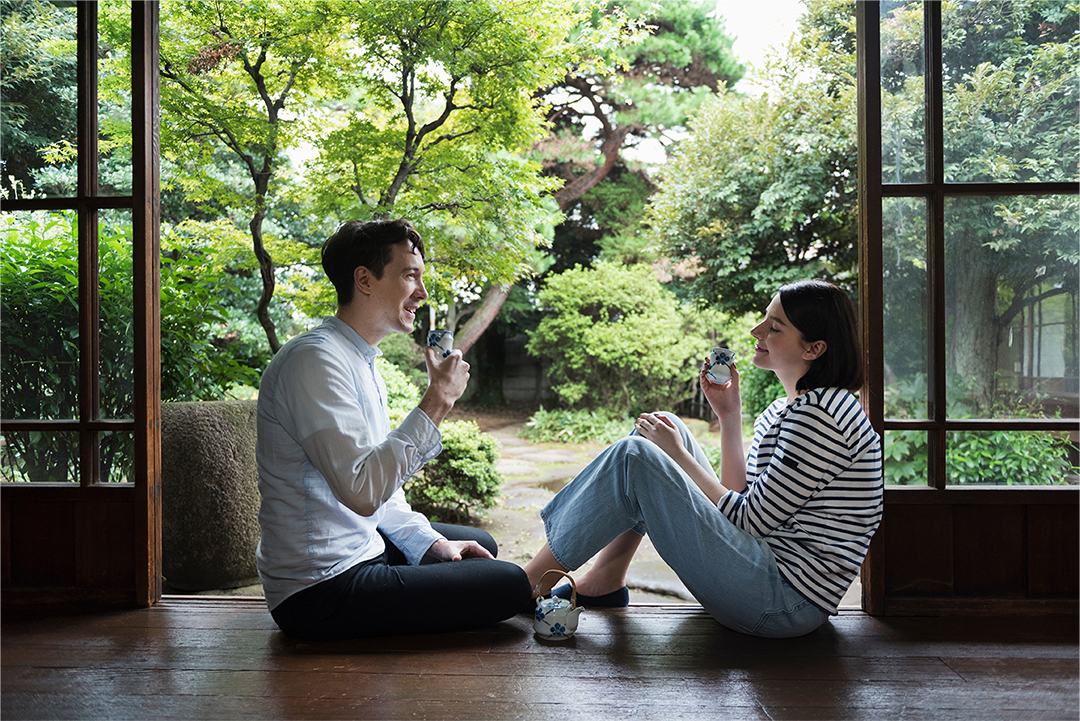
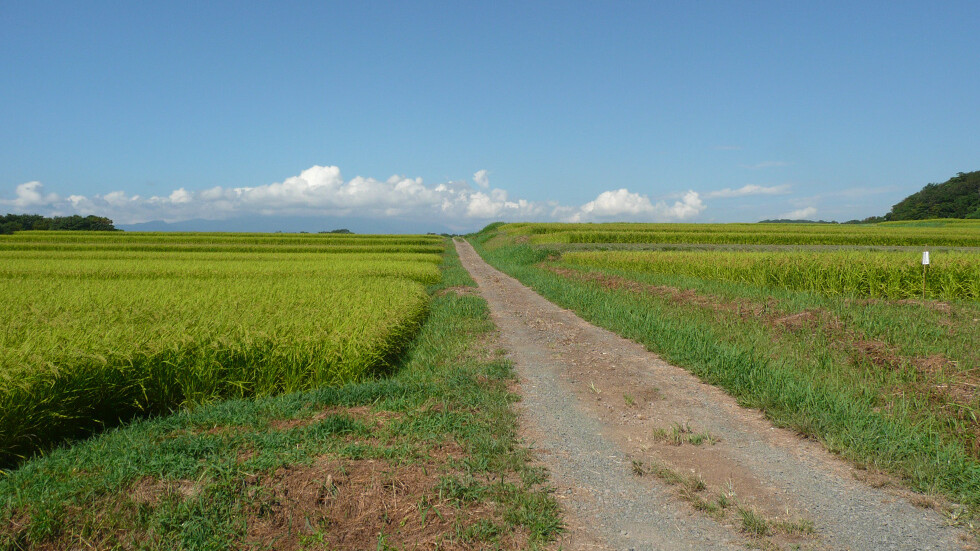
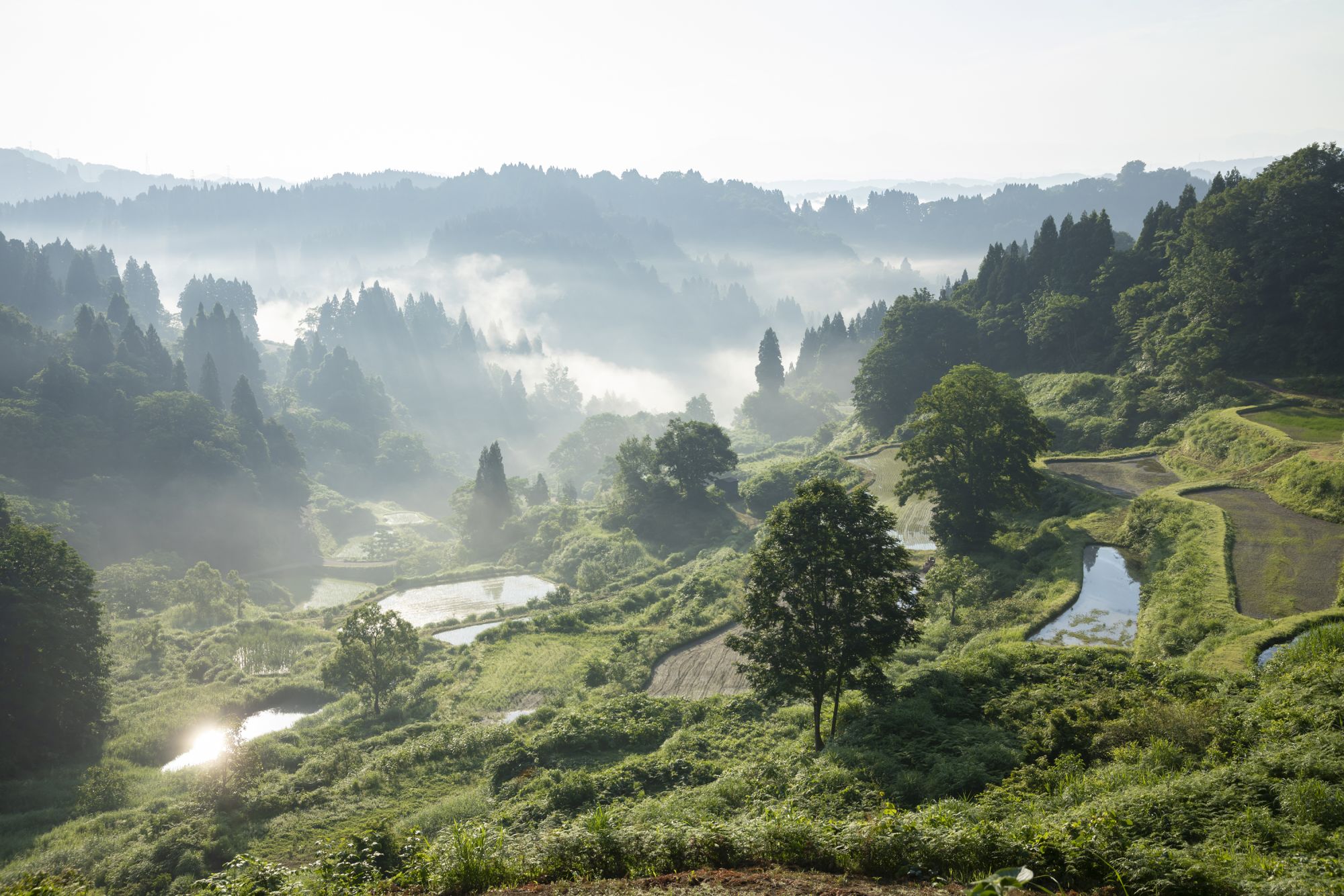
Whether it’s looking down at the rice fields or gazing out into the ocean, all kominkas provide you with the serenity you need to empty your mind and rest your bones.
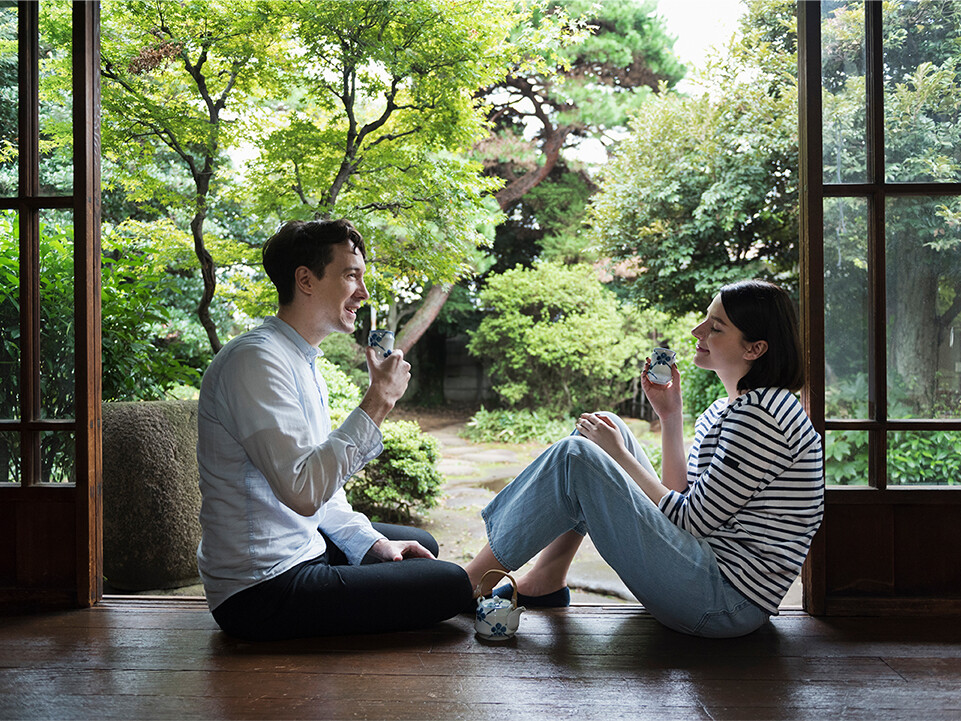
Staying in a traditional Japanese kominka is a rich cultural experience in itself. The homes are designed to make you feel both at home, yet completely transported. The homely but modern twists these homes have acquired make you feel somewhat disconnected and one with nature.
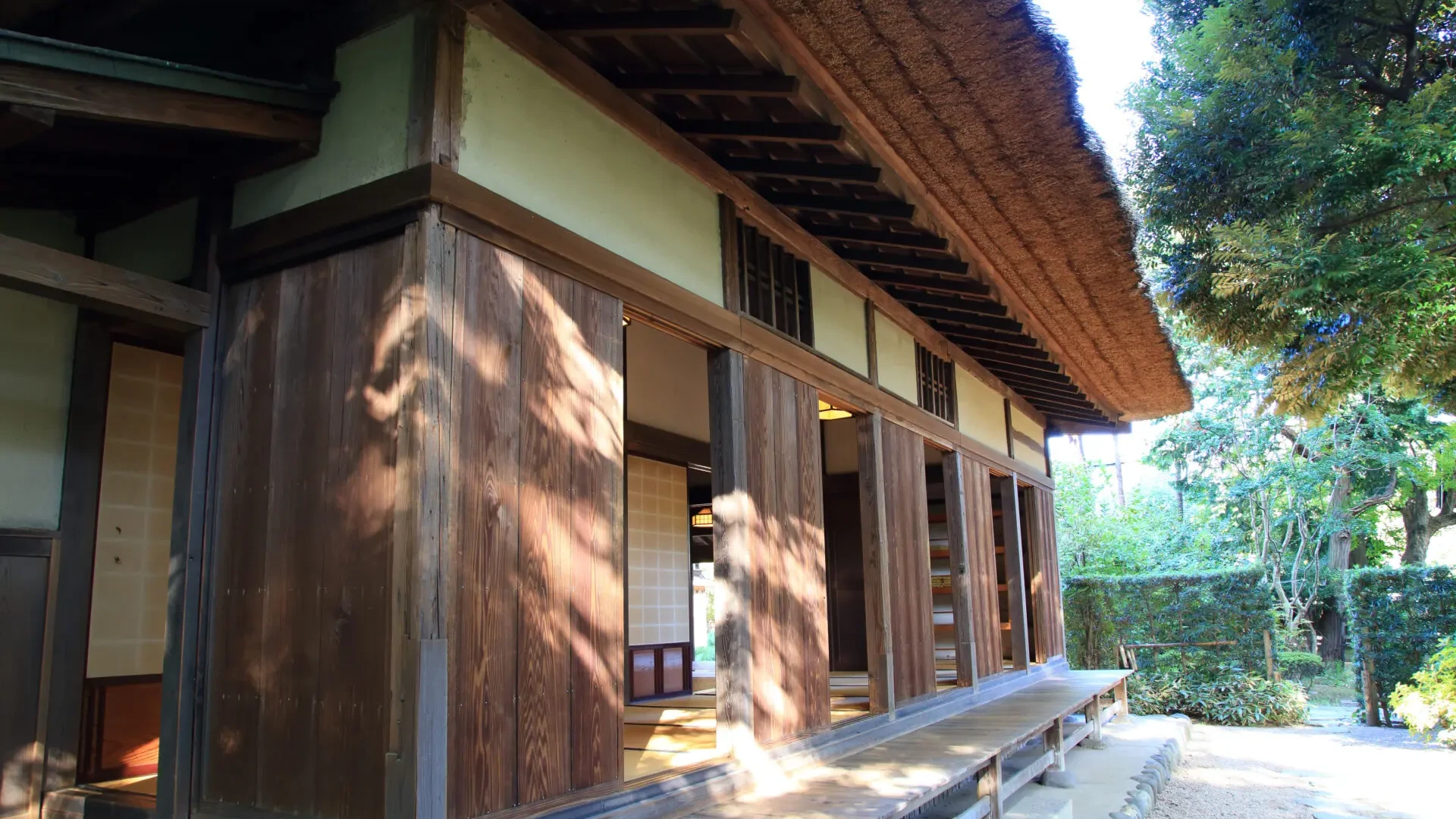
Enjoy the inclusion of modern conveniences inside of a century old traditional Japanese home. Some of the features include air conditioning and floor heating system, inclusive home appliances and eco-friendly botanical toiletries. Hence, the modern features added alongside the old-fashioned structure of the houses gives you a unique impression which you will never gain from any other buildings.
Although most kominkas now provide Wi-Fi, it is worth putting your devices away to enjoy the tranquil atmosphere of the home. During the day, take the time to immerse yourself in living like the locals. Discover the local shops and shrines that captivate Japan’s inclusive and rich history. During your stay, it is assured that you will enjoy the beauty and quiet of experiencing this way of life away from the hustle and bustle of the city.
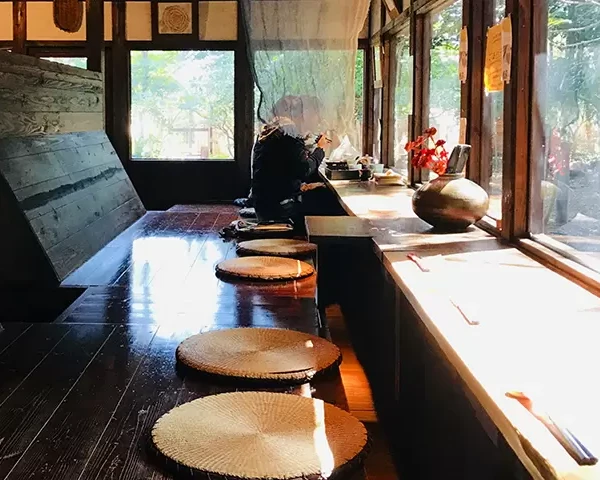
So, why not indulge to the fullest in this cultural experience and take the time to be disconnected for a couple of days?
MinkaLife Sustainable Development Goals
MinkaLife Sustainable Development Goals
Here at MinkaLife we are committed to the restoration and repositioning of abandoned houses in Japan, enabling them to become assets to society once more. We believe, if we can restore these old homes, their value will not decrease and we can continue to preserve the rich Japanese culture they carry. Hence, we have assessed MinkaLife’s opportunities to support the Sustainable Development Goals and have concluded that MinkaLife aligns closely with four of the goals: SDG1, SDG8, SDG11 and SDG12.

Creating sustainable communities is at the heart of what we do. We are constantly reviewing and evolving our practises to ensure they align with our Sustainable Development Goals.
SDG 1: End poverty in all its forms everywhere
Minkalife is committed to revitalising communities across Japan. By promoting traditional old homes in Japan, we are hoping to stimulate regional employment and cross-generational interaction among local residents, and to contribute to environmental conservation and cultural preservation. These structures devastate neighbourhoods by undermining the quality of life, diminish the value of nearby properties, and cause severe fiscal damage to local governments. With more than 8.76 million unoccupied homes in Japan, Minkalife is committed to reducing that number, without diminishing the cultural integrity each place has to offer. Hence, we aim to support the local communities by making use of local resources and skills, and creating decent jobs.

SDG 8: Promote sustained, inclusive and sustainable economic growth, full and productive employment and decent work for all
By encouraging sustainable tourism to these houses, MinkaLife is promoting the local culture and products of rural Japan. Buying products from the local producers and exploring the many activities that the area has to offer, not only creates jobs for many people but is contributing to substantial economic growth. Sourcing locally-grown foods and supporting small local business owners, stimulates the local economy and benefits the community as a whole.

SDG 11: Make cities and human settlements inclusive, safe, resilient and sustainable
MinkaLife is focused on promoting tourism to traditional old homes in rural Japan. By refurbishing these homes in villages with rich natural resources and cultural features, we are focused on developing a high tourism appeal within these areas. With the restoration of these homes, we hope to stimulate employment and to contribute to environmental conservation and cultural preservation. By promoting these rural areas, we will provide a good opportunity to communicate with the local people, learn about different cultures and practises, as well as the ability to rediscover Japan from a different perspective.
SDG 12: Ensure sustainable consumption and production
Restoring these abandoned homes infuses rural areas with new energy by appealing to younger entrepreneurs and families as a sustainable option to maintain a way of life outside of Japan’s major cities. MinkaLife is making a positive impact through the renovation of these homes to ensure their operations are sustainable and help revitalise these rural communities. We aim to promote the use of traditional techniques and knowledge to achieve energy efficiency and culturally appropriate, sustainable, consumption and production practises.